Butterfly Network, a global leader in democratizing medical imaging, to be listed on NYSE through a merger with Longview Acquisition Corp.

PR Newswire

Butterfly Network’s mission is to enable universal access to superior medical imaging, making high quality ultrasound affordable, easy-to-use, globally accessible and intelligently connected.

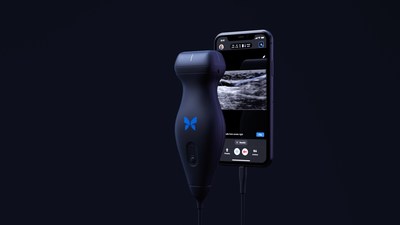
Butterfly iQ is the only ultrasound transducer that can perform “whole-body imaging” with a single handheld probe using semiconductor technology. Connected to a mobile phone or tablet, it is powered by Butterfly’s proprietary Ultrasound-on-Chip™ technology and harnesses the advantages of AI to deliver advanced imaging that we believe is easy-to-use, improves patient outcomes and lowers cost of care.

This transaction is expected to drive further adoption of Butterfly Network’s breakthrough solutions and accelerate its future pipeline of innovative technologies.

The Pro Forma enterprise value of the merger is $1.5 billion, with the combined company expected to have an estimated $584 million in cash after closing.

Founder Dr. Jonathan Rothberg to become Chairman of the combined company and will be Butterfly’s largest controlling shareholder.

100% of the equity of existing Butterfly Network investors, including Baillie Gifford, The Bill and Melinda Gates Foundation and Fosun Industrial Co., Limited, will convert into shares of the combined company. There will be no selling stockholders in the transaction.

Longview is an affiliate of leading healthcare investment firm Glenview Capital Management, which is expected to own, along with its affiliates, 7.6% of the combined company’s outstanding shares at closing. Longview Chair and Glenview CEO, Larry Robbins, will join the Board of the combined company. Leading institutional investors including Eldridge, Fidelity Management & Research Company LLC, Glenview, Ridgeback, Tenet Healthcare Corporation, UPMC Enterprises and Wellington Management have anchored a $175 million PIPE at $10 per share.

The business combination is expected to be completed by the end of the first quarter of 2021, and the combined company will be listed on the NYSE under ticker symbol “BFLY.”

– A webcast to present the proposed transaction is available on www.butterflynetwork.com/investors.

GUILFORD, Conn. and NEW YORK, Nov. 20, 2020 /PRNewswire/ — Butterfly Network, Inc. (“Butterfly” or the “Company”), an innovative digital health company that is working to enable universal access to superior medical imaging, and Longview Acquisition Corp. (NYSE: LGVW.U, LGVW, LGVW WS) (“Longview”), a special purpose acquisition company sponsored by Glenview Capital Management, LLC (“Glenview”), announced today that they have entered into a definitive business combination agreement. Upon closing, the combined company’s Class A common stock is expected to be traded on the New York Stock Exchange (“NYSE”) under the symbol “BFLY.”

Company Overview

Founded in 2011, Butterfly Network, Inc. is an innovative digital health company that has a mission to enable universal access to superior medical imaging, making high quality ultrasound affordable, easy to use, globally accessible and intelligently connected. Butterfly iQ is the only transducer using semiconductor technology that can perform “whole-body imaging” using a single handheld probe. Connected to a mobile phone or tablet, it is powered by Butterfly’s proprietary Ultrasound-on-Chip™ technology and harnesses the advantages of AI to deliver advanced imaging that they believe is easy to use, improves patient outcomes and lowers cost of care.

Historically, the global ultrasound market has been dominated by traditional cart-based devices that are accessible only to highly specialized technicians and are located predominantly in hospitals, imaging centers, and physicians’ offices. Previously introduced Point-of-Care Ultrasound (“POCUS”) devices are limited by 60 year-old technology and significant costs that hinder wide-spread use. Butterfly iQ is designed to address the limitations of currently-available cart-based and POCUS technologies.

Butterfly iQ was launched commercially in 2018, and in 2020, the Company launched the Butterfly iQ+ with additional features and improved performance. Since introduction, more than 30,000 Butterfly iQ and iQ+ devices have shipped to medical professionals globally. The Company has sold to or has agreements in place with the majority of the largest 100 hospitals in the United States, and has built a strong brand among healthcare professionals, achieving an exceptional Net Promoter Score of 71 (USA). Butterfly iQ is commercially available in more than 20 countries including the United States, Canada, greater Europe and Australia.

Butterfly was founded by Dr. Jonathan Rothberg, a scientist and serial entrepreneur who received the Presidential Medal of Technology & Innovation in 2016 for inventing a novel next-generation DNA sequencing method. Prior to this transaction, Butterfly has raised more than $400 million from investors, including Baillie Gifford, The Bill and Melinda Gates Foundation and Fosun Industrial Co., Limited.

Butterfly’s management team, led by Chief Executive Officer, Laurent Faracci, will continue to lead the combined company following the transaction and Dr. Rothberg will serve as Chairman of the combined company’s Board. Larry Robbins, Chairman of Longview, will become a member of the combined company’s Board.

Management Comments

“Nine years ago, Butterfly was created to make high-quality ultrasound affordable, easy to use and globally accessible to all,” said Dr. Jonathan Rothberg, founder of Butterfly “My pride in our team’s innovation and my gratitude to our partners for their funding and support are only matched by my enthusiasm to realize Butterfly Network’s enormous potential. We are pleased to welcome Longview as well as the PIPE investors to the Butterfly family, and we appreciate the support of the public markets in funding our commercial and societal goals.”

“The success of Butterfly is fueled by a clear mission, superior technology made simple, a passionate community of healthcare practitioners and an immensely talented team,” noted Laurent Faracci, Chief Executive Officer of Butterfly. “We believe the combination with such a premier healthcare partner as Longview Acquisition Corp. will amplify and accelerate the adoption of Butterfly iQ around the world. This partnership will enable us to bring more Butterfly innovative solutions to market faster, helping us improve patient outcomes and the way healthcare is delivered.”

“Butterfly is the epitome of value-based care: better health, lower cost, and patient centric,” said Larry Robbins, founder of Glenview and Chairman of Longview. “We are proud that our Butterfly investment will help accelerate efforts to provide the medical community with tools to diagnose more clearly and enable practitioners to be more effective, more efficient and more confident. We are honored to support Jonathan, Laurent and the Butterfly team to fully capitalize on their revolutionary technology and aspirational vision.”

“Since our May IPO, Longview reviewed more than 50 investment opportunities to find an exciting growth company at an attractive valuation where Glenview could add significant value, and Butterfly emerged as a truly unique partner” said John Rodin, CEO of Longview and Co-President of Glenview. “We are committed to using our two decades of experience as engaged owners in the provider, distributor and payor communities to accelerate constructive collaboration for Butterfly to drive improved health outcomes and greater efficiencies.”

Key Transaction Terms

On November 19, 2020, Longview entered into a definitive business combination agreement (“BCA”) with Butterfly. Upon the closing of the transactions contemplated by the BCA, Butterfly will become a wholly-owned subsidiary of Longview, and Longview will be renamed “Butterfly Network, Inc.” Current security holders of Butterfly, including Baillie Gifford, The Bill and Melinda Gates Foundation and Fosun Industrial Co., Limited will have the right to receive common stock of the combined company, on a one-for-1.0383 basis per share, rounded down to the nearest whole number of shares. The transaction values Butterfly at an enterprise value of approximately $1.5 billion.

The transaction is expected to deliver up to $589 million of gross proceeds, including up to $414 million of cash held in Longview’s trust account (assuming no redemptions are effected). The transaction is further supported by a $175 million PIPE at $10.00 per share, led by Eldridge, Fidelity Management & Research  Company LLC, Glenview, Ridgeback, Tenet Healthcare Corporation, UPMC Enterprises, the innovation, commercialization and venture capital arm of leading Pittsburgh-based health system UPMC, and Wellington Management.  The company is projected to have approximately $584 million in cash on the balance sheet after closing.

Assuming no public stockholders of Longview exercise their redemption rights, ownership of the combined company immediately following the closing will be comprised of current Butterfly equity holders (63.5%) and convertible note holders (2.5%) which together will own approximately 66%, Longview stockholders (20%), Longview’s sponsors (5%), and PIPE investors (9%). Upon the closing of the transaction, Dr. Jonathan Rothberg will become Chairman and hold a controlling voting interest in the combined company through his holdings of 20x voting Class B common stock.

The transaction, which has been unanimously approved by the Boards of Directors of Butterfly and Longview, is subject to approval by Longview’s stockholders and other customary closing conditions. The proposed business combination is expected to be completed in the first quarter of 2021, with the combined company’s Class A common stock trading on the NYSE under the ticker “BFLY”.

A more detailed description of the transaction terms and a copy of the Business Combination Agreement will be included in a Current Report on Form 8-K to be filed by Longview with the United States Securities and Exchange Commission (“SEC”). Longview will file a registration statement (which will contain a joint proxy statement/prospectus) with the SEC in connection with the transaction.

Advisors

J.P. Morgan Securities LLC is acting as financial advisor to Butterfly Network. Mintz, Levin, Cohn, Ferris, Glovsky and Popeo, P.C. is acting as legal advisor to Butterfly Network. UBS Investment Bank is acting as financial advisor to Longview as well as the exclusive placement agent for the PIPE. UBS Investment Bank and Cowen are acting as capital markets advisors to Longview, and originally underwrote the IPO of Longview in May 2020. Ropes & Gray LLP is acting as legal advisor to Longview.

Management Presentation

A presentation made by the management teams of both Butterfly and Longview regarding the transaction will be available on the websites of Butterfly at www.butterflynetwork.com and Longview at www.longviewacquisition.com.  Longview will also file the presentation with the SEC in a Current Report on Form 8-K, which will be accessible at www.sec.gov.

About Butterfly Network

Founded by Dr. Jonathan Rothberg in 2011 and led by CEO Laurent Faracci, Butterfly has created the world’s first handheld, single-probe whole-body ultrasound system, Butterfly iQ, to make ultrasound technology more universally accessible and affordable. Butterfly Network’s mission is to enable universal access to superior medical imaging, making high quality ultrasound affordable, easy-to-use, globally accessible and intelligently connected, including for the 4.7 billion people around the world lacking access to ultrasound. Through its proprietary Ultrasound-On-Chip™ technology, Butterfly Network is paving the way for earlier detection and remote management of health conditions around the world. The Butterfly iQ+ can be purchased online today by healthcare practitioners in the United States, Australia, Austria, Belgium, Canada, Denmark, Finland, France, Germany, Ireland, Italy, the Netherlands, New Zealand, Norway, Poland, Portugal, Spain, Sweden, Switzerland and the United Kingdom.

About Longview Acquisition Corp.

Longview was formed to partner with high-quality, growing companies to facilitate their successful entry to the public markets. Longview is sponsored by an affiliate of Glenview Capital Management, a registered investment adviser with a track record of creating value through constructive partnerships with companies operating in the public markets.

Important Information About the Proposed Business Combination and Where to Find It

In connection with the proposed business combination, Longview intends to file a Registration Statement on Form S-4, including a preliminary proxy statement/prospectus and a definitive proxy statement/prospectus with the SEC. Longview’s stockholders and other interested persons are advised to read, when available, the preliminary proxy statement/prospectus and the amendments thereto and the definitive proxy statement/prospectus as well as other documents filed with the SEC in connection with the proposed business combination, as these materials will contain important information about Butterfly, Longview, and the proposed business combination. When available, the definitive proxy statement/prospectus and other relevant materials for the proposed business combination will be mailed to stockholders of Longview as of a record date to be established for voting on the proposed business combination. Stockholders will also be able to obtain copies of the preliminary proxy statement/prospectus, the definitive proxy statement/prospectus, and other documents filed with the SEC that will be incorporated by reference therein, without charge, once available, at the SEC’s website at www.sec.gov, or by directing a request to: [email protected].

Participants in the Solicitation

Longview and its directors and executive officers may be deemed participants in the solicitation of proxies from Longview’s stockholders with respect to the business combination. A list of the names of those directors and executive officers and a description of their interests in Longview will be included in the proxy statement/prospectus for the proposed business combination and be available at www.sec.gov. Additional information regarding the interests of such participants will be contained in the proxy statement/prospectus for the proposed business combination when available.

Butterfly and its directors and executive officers may also be deemed to be participants in the solicitation of proxies from the stockholders of Longview in connection with the proposed business combination. A list of the names of such directors and executive officers and information regarding their interests in the proposed business combination will be included in the proxy statement/prospectus for the proposed business combination.

Forward-Looking Statements

This press release includes “forward-looking statements” within the meaning of the “safe harbor” provisions of the United States Private Securities Litigation Reform Act of 1995. Longview’s and Butterfly’s actual results may differ from their expectations, estimates, and projections and, consequently, you should not rely on these forward-looking statements as predictions of future events. Words such as “expect,” “estimate,” “project,” “budget,” “forecast,” “anticipate,” “intend,” “plan,” “may,” “will,” “could,” “should,” “believes,” “predicts,” “potential,” “continue,” and similar expressions (or the negative versions of such words or expressions) are intended to identify such forward-looking statements. These forward-looking statements include, without limitation, Longview and Butterfly’s expectations with respect to future performance and anticipated financial impacts of the proposed business combination, the satisfaction of the closing conditions to the proposed business combination, and the timing of the completion of the proposed business combination. These forward-looking statements involve significant risks and uncertainties that could cause the actual results to differ materially from those discussed in the forward-looking statements. Most of these factors are outside Longview’s and Butterfly’s control and are difficult to predict. Factors that may cause such differences include, but are not limited to: the occurrence of any event, change, or other circumstances that could give rise to the termination of the BCA; the outcome of any legal proceedings that may be instituted against Longview and Butterfly following the announcement of the BCA and the transactions contemplated therein; the inability to complete the proposed business combination, including due to failure to obtain approval of the stockholders of Longview and Butterfly, certain regulatory approvals, or satisfy other conditions to closing in the BCA; the occurrence of any event, change, or other circumstance that could give rise to the termination of the BCA or could otherwise cause the transaction to fail to close; the impact of COVID-19 on Butterfly’s business and/or the ability of the parties to complete the proposed business combination; the inability to obtain or maintain the listing of the combined company’s shares of Class A common stock on the NYSE following the proposed business combination; the risk that the proposed business combination disrupts current plans and operations as a result of the announcement and consummation of the proposed business combination; the ability to recognize the anticipated benefits of the proposed business combination, which may be affected by, among other things, competition and the ability of Butterfly to grow and manage growth profitably and retain its key employees; costs related to the proposed business combination; changes in applicable laws or regulations; the ability of the combined company to raise financing in the future; the success, cost and timing of Butterfly’s and the combined company’s product development activities; the potential attributes and benefits of Butterfly’s and the combined company’s products and services; Butterfly’s and the combined company’s ability to obtain and maintain regulatory approval for their products, and any related restrictions and limitations of any approved product; Butterfly’s and the combined company’s ability to identify, in-license or acquire additional technology; Butterfly’s and the combined company’s ability to maintain Butterfly’s existing license, manufacture, supply and distribution agreements; Butterfly’s and the combined company’s ability to compete with other companies currently marketing or engaged in the development of treatments for the indications that Butterfly is currently pursuing for its product candidates; the size and growth potential of the markets for Butterfly’s and the combined company’s products and services, and each of their ability to serve on those markets, either alone or in partnership with others; the pricing of Butterfly’s and the combined company’s products and services and reimbursement for medical produces conducted using their products and services; Butterfly’s and the combined company’s estimates regarding future expenses, future revenue, capital requirements and needs for additional financing; Butterfly’s and the combined company’s financial performance; and other risks and uncertainties indicated from time to time in the final prospectus of Longview for its initial public offering and the proxy statement/prospectus relating to the proposed business combination, including those under “Risk Factors” therein, and in Longview’s other filings with the SEC. Longview and Butterfly caution that the foregoing list of factors is not exclusive. Longview and Butterfly caution readers not to place undue reliance upon any forward-looking statements, which speak only as of the date made. Longview and Butterfly do not undertake or accept any obligation or undertaking to release publicly any updates or revisions to any forward-looking statements to reflect any change in its expectations or any change in events, conditions, or circumstances on which any such statement is based.

No Offer or Solicitation

This press release shall not constitute a solicitation of a proxy, consent, or authorization with respect to any securities or in respect of the proposed business combination. This press release shall also not constitute an offer to sell or the solicitation of an offer to buy any securities, nor shall there be any sale of securities in any states or jurisdictions in which such offer, solicitation, or sale would be unlawful prior to registration or qualification under the securities laws of any such jurisdiction. No offering of securities shall be made except by means of a prospectus meeting the requirements of Section 10 of the Securities Act of 1933, as amended, or an exemption therefrom.

Contacts

Investor Relations

Butterfly Network, Inc.

Mike Cavanaugh or Mark Klausner
Westwicke, an ICR Company
(646) 677-1838
[email protected]

Longview Acquisition Corp.

John Rodin

[email protected]

Media Relations

Butterfly Network, Inc.

Sean Leous

Westwicke, an ICR Company
(646) 866-4012
 

Cision View original content to download multimedia:http://www.prnewswire.com/news-releases/butterfly-network-a-global-leader-in-democratizing-medical-imaging-to-be-listed-on-nyse-through-a-merger-with-longview-acquisition-corp-301177892.html

SOURCE Butterfly Network

Pantene Launches New Chapter in Global ‘Hair Has No Gender’ Project in Support of the LGBTQ2S+ Community, Exploring the Power of Hair and Support to Express Identity

Pantene Launches New Chapter in Global ‘Hair Has No Gender’ Project in Support of the LGBTQ2S+ Community, Exploring the Power of Hair and Support to Express Identity

Launching during the holiday season, Pantene calls on Canadians to give the gift of support and acceptance

TORONTO–(BUSINESS WIRE)–
Today, Pantene Canada joins the global ‘Hair Has No Gender’ project, which aims to create awareness on behalf of the LGBTQ2S+ community of the power that hair and emotional support can have in an LGBTQ2S+ person’s self-expression. This is especially important for the transgender and gender non-binary community, for whom hair plays a pivotal role in the transition journey, but who are often discriminated against and misgendered when trying to achieve the hair that best reflects how they feel inside.

As we near the holiday season, it is more important than ever to show true acceptance for those around us. “The holidays are a time when we all look forward to reconnecting with family and friends, yet a Pantene study in the US found 44 per cent of LGBTQ2S+ people feel they can’t come home as their true selves,” says Pantene Senior Brand Director Lisa Reid. “This year, we are calling on everyone to give the gift of allyship, acceptance and support to empower those around them to express their true selves and identities.”

This year’s campaign explores the power of hair to express identity and the power of support from those around you to gain the confidence needed to show the world who you are. This exploration comes to life in a series of films premiering on YouTube today, with trans and non-binary advocates from around the globe sharing their stories of how their respective family’s support has empowered them to be themselves. The series takes the unique approach of recreating a family portrait and hearing how these photographs can be a symbol of love and acceptance.

Pantene Canada is partnering with trans artist Vivek Shraya and her father, Mohan Bilgi, to share a unique Canadian perspective, joining other global ambassadors: Spanish Angela Ponce, Italian/Brazilian Lea T, British Travis Alabanza, and Swedish Johanna and their families. In a dedicated film, Vivek shares how her relationship with her father and her hair has changed over the years as her identity has evolved. Together, they explore the various forms of acceptance.

“Doing this with my dad feels special because it gives us something documented of our relationship and how it’s changed over the years. We didn’t get to spend much time together when I was growing up because he was working hard to provide for us, so we don’t have many photos together,” says Canadian ambassador Vivek Shraya. “I’m so glad we’re able to connect now, as adults, and be part of this incredible project together.”

Pantene is also continuing its support and collaboration with Canadian organization Dresscode Project(DCP), which was founded by Toronto hair stylist Kristin Rankin. With the ultimate goal of expanding the DCP accredited salon network globally, Pantene is working with Kristin to support and facilitate inclusivity training to hair stylists to make their salons more gender-affirming spaces for LGBTQ2S+ clients, so that everyone can have a positive hair journey.

“We chose to partner with Pantene because they were the first hair care company to step up and say ‘we want to do better and be better,’” says Kristin Rankin. “I am so excited that we are extending our global partnership beyond 2021; we are in this together and for the long-run. Together, step by step we will create more great hair days and hair experiences for all.”

Pantene’s long-term commitment to create great hair days for everyone extends beyond product science – because hair’s impact is more than just physical, it has a profound impact on emotional wellbeing and self-expression. Pantene believes that everyone should be allowed to express their own journeys in an honest and open way. No matter who you are, what hair you have or what hair you dream of, PANTENE stands with you.

To watch the film series, please visit Pantene’s YouTube channel here.

Join the conversation and show your support for the ‘Hair Has No Gender’ project by using the hashtags #HairHasNoGender #PowerOfHair #PanteneHair and handles@thedresscodeproject @vivekshraya @travisalabanza @leat @angelaponceofficial @jag_johanna

About Procter & Gamble

P&G serves consumers around the world with one of the strongest portfolios of trusted, quality, leadership brands, including Always®, Ambi Pur®, Ariel®, Bounty®, Charmin®, Crest®, Dawn®, Downy®, Fairy®, Febreze®, Gain®, Gillette®, Head & Shoulders®, Lenor®, Olay®, Oral-B®, Pampers®, Pantene®, SK-II®, Tide®, Vicks®, and Whisper®. The P&G community includes operations in approximately 70 countries worldwide. Please visit http://www.pg.com for the latest news and information about P&G and its brands.

About Dresscode Project

Dresscode Project (DCP) is an alliance of safer hair salon spaces, with the mission of educating and empowering hair stylists and barbers to give people haircuts that help them look the way they feel. Established by Toronto hair stylist Kristin Rankin in 2017, DCP offers Gender-Free Hair Cut Club Events, Gender-Free Master Classes for Hair Stylists and job training courses to give hair care professionals the resources they need to make their salons more gender-affirming spaces.

Media:

Kate Oyston

MSLGroup

[email protected]

KEYWORDS: North America Canada

INDUSTRY KEYWORDS: Cosmetics Retail Gay & Lesbian Social Media Health Entertainment Online Family Consumer Other Communications Mental Health Teens Other Consumer Communications

MEDIA:

Logo
Logo

ADC Therapeutics Announces FDA Accepts Biologics License Application and Grants Priority Review for Loncastuximab Tesirine for Treatment of Relapsed or Refractory Diffuse Large B-cell Lymphoma

ADC Therapeutics Announces FDA Accepts Biologics License Application and Grants Priority Review for Loncastuximab Tesirine for Treatment of Relapsed or Refractory Diffuse Large B-cell Lymphoma

  • Prescription Drug User Fee Act target action date of May 21, 2021

LAUSANNE, Switzerland–(BUSINESS WIRE)–
ADC Therapeutics SA (NYSE: ADCT), a late clinical-stage oncology-focused biotechnology company pioneering the development and commercialization of highly potent and targeted antibody drug conjugates (ADCs) for patients with hematological malignancies and solid tumors, today announced that the U.S. Food and Drug Administration (FDA) has accepted its Biologics License Application (BLA) for loncastuximab tesirine (Lonca) for the treatment of relapsed or refractory diffuse large B-cell lymphoma (DLBCL) and granted priority review status. The FDA has set a Prescription Drug User Fee Act (“PDUFA”) target date of May 21, 2021.

“The FDA’s acceptance of our BLA and granting of priority review for Lonca is a tremendous accomplishment that brings ADC Therapeutics one step closer to being able to offer patients with relapsed or refractory DLBCL a greatly needed new treatment option in 2021,” said Chris Martin, Chief Executive Officer of ADC Therapeutics. “We look forward to working with the FDA during its review of our BLA submission for Lonca. Our organization remains focused on robust planning for a successful launch next year.”

The BLA submission is based on data from LOTIS 2, the pivotal Phase 2 multi-center, open-label, single-arm clinical trial evaluating the efficacy and safety of Lonca in patients with relapsed or refractory DLBCL following two or more lines of prior therapy. In June 2020, the Company presented maturing data from LOTIS 2 at the virtual 25th Congress of the European Hematology Association. As of the April 6th cutoff date, Lonca demonstrated an overall response rate of 48.3% (70/145 patients) and a complete response rate of 24.1% (35/145 patients). The tolerability profile was manageable with the most common grade ≥3 treatment-emergent adverse events in ≥10% of patients being: neutropenia (25.5%) with low incidence of febrile neutropenia (3.4%), thrombocytopenia (17.9%), GGT increase (16.6%) and anaemia (10.3%).

Data from subgroup analyses of LOTIS 2 will be presented in a poster (abstract #1183) at the upcoming 62nd American Society for Hematology (ASH) Annual Meeting on Saturday, December 5, 2020.

About Loncastuximab Tesirine (Lonca)

Loncastuximab tesirine (Lonca, formerly ADCT-402) is an antibody drug conjugate (ADC) composed of a humanized monoclonal antibody directed against human CD19 and conjugated through a linker to a pyrrolobenzodiazepine (PBD) dimer cytotoxin. Once bound to a CD19-expressing cell, Lonca is designed to be internalized by the cell, following which the warhead is released. The warhead is designed to bind irreversibly to DNA to create highly potent interstrand cross-links that block DNA strand separation, thus disrupting essential DNA metabolic processes such as replication and ultimately resulting in cell death. CD19 is a clinically validated target for the treatment of B-cell malignancies.

Lonca, the Company’s lead product candidate, has been evaluated in a 145-patient pivotal Phase 2 clinical trial for the treatment of relapsed or refractory diffuse large B-cell lymphoma (DLBCL) that showed a 48.3% overall response rate (ORR), which exceeded the target primary endpoint. Lonca is also being evaluated in LOTIS 3, a Phase 1/2 clinical trial in combination with ibrutinib in patients with relapsed or refractory DLBCL or mantle cell lymphoma, and LOTIS 5, a Phase 3 confirmatory clinical trial in combination with rituximab in patients with relapsed or refractory DLBCL.

About ADC Therapeutics

ADC Therapeutics SA (NYSE: ADCT) is a late clinical-stage oncology-focused biotechnology company pioneering the development and commercialization of highly potent and targeted antibody drug conjugates (ADCs) for patients with hematological malignancies and solid tumors. The Company develops ADCs by applying its decades of experience in this field and using next-generation pyrrolobenzodiazepine (PBD) technology to which ADC Therapeutics has proprietary rights for its targets. Strategic target selection for PBD-based ADCs and substantial investment in early clinical development have enabled ADC Therapeutics to build a deep clinical and research pipeline of therapies for the treatment of hematological and solid tumor cancers. The Company has multiple PBD-based ADCs in ongoing clinical trials, ranging from first in human to confirmatory Phase 3 clinical trials, in the USA and Europe, and numerous preclinical ADCs in development.

Camidanlumab tesirine (Cami, formerly ADCT-301), the Company’s second lead product candidate, is being evaluated in a 100-patient pivotal Phase 2 clinical trial for the treatment of relapsed or refractory Hodgkin lymphoma (HL) after having shown in a Phase 1 clinical trial an 86.5% ORR in HL patients at the dose selected for Phase 2. The Company is also evaluating Cami as a novel immuno-oncology approach for the treatment of various advanced solid tumors.

ADC Therapeutics is based in Lausanne (Biopôle), Switzerland and has operations in London, the San Francisco Bay Area and New Jersey. For more information, please visit https://adctherapeutics.com/ and follow the Company on Twitter and LinkedIn.

Forward-Looking Statements

This press release contains statements that constitute forward-looking statements. All statements other than statements of historical facts contained in this press release, including statements regarding our future results of operations and financial position, business strategy, product candidates, research pipeline, ongoing and planned preclinical studies and clinical trials, regulatory submissions and approvals, addressable patient population, research and development costs, timing and likelihood of success, as well as plans and objectives of management for future operations are forward-looking statements. Forward-looking statements are based on our management’s beliefs and assumptions and on information currently available to our management. Such statements are subject to risks and uncertainties, and actual results may differ materially from those expressed or implied in the forward-looking statements due to various factors, including those described in our filings with the U.S. Securities and Exchange Commission. No assurance can be given that such future results will be achieved. Such forward-looking statements contained in this document speak only as of the date of this press release. We expressly disclaim any obligation or undertaking to update these forward-looking statements contained in this press release to reflect any change in our expectations or any change in events, conditions, or circumstances on which such statements are based unless required to do so by applicable law. No representations or warranties (expressed or implied) are made about the accuracy of any such forward-looking statements.

Investors

Amanda Hamilton

ADC Therapeutics

[email protected]

Tel.: +1 917 288 7023

EU Media

Alexandre Müller

Dynamics Group

[email protected]

Tel: +41 (0) 43 268 3231

USA Media

Annie Starr

6 Degrees

[email protected]

Tel.: +1 973-415-8838

KEYWORDS: New Jersey Europe Switzerland United States North America

INDUSTRY KEYWORDS: Oncology Health FDA Genetics Clinical Trials Pharmaceutical Biotechnology

MEDIA:

Logo
Logo

The RMR Group Inc. Announces Fourth Quarter 2020 Results

The RMR Group Inc. Announces Fourth Quarter 2020 Results

Net Income Attributable to The RMR Group Inc. of $0.38 Per Diluted Share and Adjusted Net Income Attributable to The RMR Group Inc. of $0.39 Per Diluted Share

NEWTON, Mass.–(BUSINESS WIRE)–The RMR Group Inc. (Nasdaq: RMR) today announced its financial results for the fiscal quarter ended September 30, 2020.

Adam Portnoy, President and Chief Executive Officer, made the following statement regarding the fourth quarter fiscal 2020 results:

“In the fiscal fourth quarter, we generated net income of $14.4 million, Adjusted EBITDA of $20.8 million and an Adjusted EBITDA Margin of 48.8%. The sequential quarter increases of 6.1% and 170 basis points in Adjusted EBITDA and Adjusted EBITDA Margin, respectively, were primarily driven by an increase in management services revenues, as the majority of our Managed Equity REITs realized increases in fee paying assets under management, and the implementation of targeted cost containment measures.

Despite the challenges presented by the ongoing pandemic, we believe our Client Companies have sufficient resources to weather near-term challenges. More specifically, at our Managed Equity REITs, rent collections remained strong, rent relief requests are declining and leasing activity is improving. As a result, we believe our Client Companies are well-capitalized and, in some cases, are well positioned to be opportunistic in the near term.

We remain focused on assessing opportunities to grow our private capital assets under management, both organically and through possible external acquisitions. To this end, we recently announced the closing of our inaugural private capital investment vehicle with a large, top tier global sovereign wealth fund. The vehicle has initial investments of $680 million in industrial and logistics properties throughout the U.S., and we expect this investment vehicle may substantially grow in the future. We hope that this new private capital investment vehicle marks the beginning of a new line of business for RMR of managing large amounts of private capital on behalf of institutional clients for investments in core real estate assets. We also ended the fiscal year with $369.7 million of cash and continue to have no debt.”

Fourth Quarter Fiscal 2020 Highlights:

  • As of September 30, 2020, The RMR Group LLC had $32.3 billion of gross assets under management compared to gross assets under management of $32.9 billion as of September 30, 2019. Fee paying assets under management were $20.6 billion on September 30, 2020 compared to $26.0 billion on September 30, 2019.
  • Total management and advisory services revenues for the quarter ended September 30, 2020, were $40.2 million, compared to $45.2 million for the quarter ended September 30, 2019.
  • The RMR Group LLC’s assets under management and management services revenues by source are as follows (dollars in thousands):


Gross


Fee Paying


Management Services


AUM


AUM


Revenues

As of or for the Three Months Ended September 30, 2020

Managed Equity REITs (1)


$

29,318,014


$

17,830,148


$

32,705


82.7

%

Managed Operators (2)


1,939,100


1,939,100


5,676


14.4

%

Other


1,019,040


830,116


1,164


2.9

%

Total


$

32,276,154


$

20,599,364


$

39,545


100.0

%


As of or for the Three Months Ended September 30, 2019

Managed Equity REITs (1)


$

30,102,924


$

23,279,051


$

36,342


82.0

%

Managed Operators (2)


1,909,164


1,909,164


6,624


14.9

%

Other


912,408


790,746


1,380


3.1

%

Total


$

32,924,496


$

25,978,961


$

44,346


100.0

%

(1)

  Managed Equity REITs for the periods presented includes: Diversified Healthcare Trust (DHC), Industrial Logistics Properties Trust (ILPT), Office Properties Income Trust (OPI) and Service Properties Trust (SVC).

(2)

  Managed Operators collectively refers to: Five Star Senior Living Inc. (FVE), Sonesta International Hotels Corporation (Sonesta) and TravelCenters of America Inc. (TA).
  • For the three months ended September 30, 2020, net income was $14.4 million and net income attributable to The RMR Group Inc. was $6.2 million, or $0.38 per diluted share, compared to net income of $18.9 million and net income attributable to The RMR Group Inc. of $8.4 million, or $0.51 per diluted share, for the three months ended September 30, 2019.
  • For the three months ended September 30, 2020, adjusted net income attributable to The RMR Group Inc. was $6.4 million, or $0.39 per diluted share, compared to $9.6 million, or $0.59 per diluted share, for the three months ended September 30, 2019. The adjustments to net income attributable to The RMR Group Inc. this quarter included $0.6 million, or $0.03 per diluted share, related to certain compensation adjustments, net of reimbursements, and $0.5 million, or $0.03 per diluted share, of separation costs, partially offset by $0.8 million, or $0.05 per diluted share, of unrealized gains on an equity method investment accounted for under the fair value option.
  • For the three months ended September 30, 2020, Adjusted EBITDA was $20.8 million, Operating Margin was 34.6% and Adjusted EBITDA Margin was 48.8%, compared to Adjusted EBITDA of $28.6 million, Operating Margin of 46.1% and Adjusted EBITDA Margin of 60.2% for the three months ended September 30, 2019.
  • As of September 30, 2020, The RMR Group Inc. had $369.7 million in cash and cash equivalents with no outstanding debt obligations. Cash and cash equivalents as of September 30, 2020 reflect the payment of annual cash bonuses to officers and employees during the fiscal fourth quarter.

Reconciliations to GAAP:

Adjusted net income attributable to The RMR Group Inc., EBITDA, Adjusted EBITDA and Adjusted EBITDA Margin are non-GAAP financial measures. The GAAP financial measure that is most directly comparable to adjusted net income attributable to The RMR Group Inc. is net income attributable to The RMR Group Inc., the GAAP financial measure that is most directly comparable to EBITDA and Adjusted EBITDA is net income, while the GAAP financial measure that is most directly comparable to Adjusted EBITDA Margin is Operating Margin, which represents operating income divided by total management and advisory services revenues. Reconciliations of net income attributable to The RMR Group Inc. determined in accordance with GAAP to adjusted net income attributable to The RMR Group Inc., and of net income to EBITDA and Adjusted EBITDA as well as calculations of Operating Margin and Adjusted EBITDA Margin for each of the three months ended September 30, 2020 and 2019 are presented later in this press release.

Assets Under Management:

The calculation of gross assets under management, or gross AUM, primarily includes: (i) the gross book value of real estate and related assets, excluding depreciation, amortization, impairment charges or other non-cash reserves, of the Managed Equity REITs and ABP Trust, plus (ii) the gross book value of real estate assets, property and equipment of the Managed Operators, excluding depreciation, amortization, impairment charges or other non-cash reserves, plus (iii) the fair value of investments of Affiliates Insurance Company (until its dissolution on February 13, 2020) and the RMR Office Property Fund LP (until its dissolution on July 28, 2020) and the managed assets of RMR Mortgage Trust and Tremont Mortgage Trust. This calculation of gross AUM may include amounts that are higher than the calculations of assets under management used for purposes of calculating fees under the terms of the business management agreements.

The calculation of fee paying assets under management, or fee paying AUM, refers to the fact that base business management fees payable to The RMR Group LLC by the Managed Equity REITs are calculated monthly based upon the lower of the average historical cost of each entity’s real estate assets and its average market capitalization. Management fees payable to The RMR Group LLC by other client companies are generally calculated as a percentage of revenues earned, average daily managed assets, equity, net asset value or total premiums paid under active insurance policies in accordance with the applicable management agreement.

All references in this press release to assets under management on, or as of, a date are calculated at a point in time.

For additional information on the calculation of assets under management for purposes of the fee provisions of the business management agreements, see The RMR Group Inc.’s Annual Report on Form 10-K, filed with the Securities and Exchange Commission, or SEC. The RMR Group Inc.’s SEC filings are available at the SEC website: www.sec.gov.

Conference Call:

At 10:00 a.m. Eastern Time, President and Chief Executive Officer, Adam Portnoy, and Executive Vice President, Chief Financial Officer and Treasurer, Matt Jordan, will host a conference call to discuss The RMR Group Inc.’s fiscal fourth quarter ended September 30, 2020 financial results.

The conference call telephone number is (877) 329-4297. Participants calling from outside the United States and Canada should dial (412) 317-5435. No pass code is necessary to access the call from either number. Participants should dial in about 15 minutes prior to the scheduled start of the call. A replay of the conference call will be available through 11:59 p.m. Eastern Time on Friday, November 27, 2020. To access the replay, dial (412) 317-0088. The replay pass code is 10148135.

A live audio webcast of the conference call will also be available in a listen only mode on The RMR Group Inc.’s website, at www.rmrgroup.com. Participants wanting to access the webcast should visit The RMR Group Inc.’s website about five minutes before the call. The archived webcast will be available for replay on The RMR Group Inc.’s website following the call for about one week. The transcription, recording and retransmission in any way of The RMR Group Inc.’s fiscal fourth quarter ended September 30, 2020 financial results conference call are strictly prohibited without the prior written consent of The RMR Group Inc.

About The RMR Group Inc.

The RMR Group Inc. is a holding company, and substantially all of its business is conducted by its majority-owned subsidiary, The RMR Group LLC. The RMR Group LLC is an alternative asset manager that primarily provides management services to publicly traded REITs and real estate operating companies. As of September 30, 2020, The RMR Group LLC had $32.3 billion of assets under management, including over 2,100 properties, and employed over 600 real estate professionals in more than 30 offices throughout the United States; and the companies managed by The RMR Group LLC collectively had approximately 42,500 employees. The RMR Group Inc. is headquartered in Newton, Massachusetts.


Three Months Ended

September 30,


Fiscal Year Ended

September 30,


2020


2019


2020


2019

Revenues:


Management services (1)


$

39,545


$

44,346


$

168,766


$

178,075


Incentive business management fees


120,094


Advisory services


659


824


2,911


3,169


Total management and advisory services revenues


40,204


45,170


171,677


301,338


Reimbursable compensation and benefits


17,179


16,622


57,256


57,490


Other client company reimbursable expenses


92,720


97,452


360,572


354,540


Total reimbursable costs


109,899


114,074


417,828


412,030


Total revenues


150,103


159,244


589,505


713,368


Expenses:


Compensation and benefits


31,498


29,006


121,386


114,529


Equity based compensation (2)


4,645


4,691


7,828


9,040


Separation costs


1,236


1,881


7,050


Total compensation and benefits expense


37,379


33,697


131,095


130,619


General and administrative


5,836


6,594


26,514


28,706


Other client company reimbursable expenses


92,720


97,452


360,572


354,540


Transaction and acquisition related costs


22


425


1,618


698


Depreciation and amortization


237


255


968


1,017


Total expenses


136,194


138,423


520,767


515,580


Operating income


13,909


20,821


68,738


197,788


Interest and other income


349


2,368


4,451


8,770


Impairment loss on Tremont Mortgage Trust investment


(6,213)


Equity in earnings of investees


508


401


1,545


719


Unrealized gain (loss) on equity method investment accounted for

under the fair value option


2,235


(1,722)


3,151


(4,700)


Income before income tax expense


17,001


21,868


77,885


196,364


Income tax expense


(2,608)


(2,985)


(11,552)


(27,320)


Net income


14,393


18,883


66,333


169,044


Net income attributable to noncontrolling interest


(8,235)


(10,529)


(37,541)


(94,464)


Net income attributable to The RMR Group Inc.


$

6,158


$

8,354


$

28,792


$

74,580


Weighted average common shares outstanding – basic (3)


16,214


16,149


16,194


16,132


Weighted average common shares outstanding – diluted (3)


16,214


16,149


31,194


16,143


Net income attributable to The RMR Group Inc. per common share – basic (3)


$

0.38


$

0.51


$

1.77


$

4.59


Net income attributable to The RMR Group Inc. per common share – diluted (3)


$

0.38


$

0.51


$

1.75


$

4.59


See Notes beginning on page 6.

The RMR Group Inc.

Notes to Consolidated Statements of Income

(dollars in thousands, except per share amounts)

(unaudited)

(1)

  Includes business management fees earned from the Managed Equity REITs monthly based upon the lower of (i) the average historical cost of each REIT’s properties and (ii) each REIT’s average market capitalization. The following table presents a summary of each Managed Equity REIT’s primary strategy and the lesser of the historical cost of its assets under management and its market capitalization as of September 30, 2020 and 2019, as applicable:


Lesser of Historical Cost of Assets


Under Management or


Total Market Capitalization (a)


As of September 30,

REIT


Primary Strategy


2020


2019

DHC


Medical office and life science properties, senior living communities and wellness centers


$

4,381,749


$

5,889,907


ILPT


Industrial and logistics properties


2,613,338


2,530,811


OPI


Office properties primarily leased to single tenants, including the government


3,244,624


4,074,202


SVC


Hotels and net lease service and necessity-based retail properties


7,590,437


10,784,131


$

17,830,148


$

23,279,051


(a)   The basis on which base business management fees are calculated for the three months ended September 30, 2020 and 2019 may differ from the basis at the end of the periods presented in the table above. As of September 30, 2020, the market capitalization was lower than the historical costs of assets under management for DHC, OPI and SVC. The historical costs of assets under management for DHC, OPI and SVC as of September 30, 2020, were $8,486,147, $5,755,652 and $12,462,877, respectively. For ILPT, the historical costs of assets under management were lower than its market capitalization of $2,805,113 as of September 30, 2020.

(2)

  Equity based compensation expense for the three months ended September 30, 2020 consists of $1,127 related to shares granted by The RMR Group Inc. to certain of its officers and employees and $3,518 related to Client Companies’ shares granted to certain of The RMR Group Inc.’s officers and employees.
   
  Equity based compensation related to shares granted by Client Companies is based on the fair value as of the grant date for those shares that have vested, with subsequent changes in the fair value of the unvested grants being recognized over the requisite service periods.
   
  Equity based compensation related to shares granted by The RMR Group Inc. is based on the market value on the date of grant, with the aggregate value of the shares granted amortized over the applicable vesting period. Shares issued each September vest in five equal, consecutive annual installments, with the first installment vesting on the date of grant. During the three months ended September 30, 2020, The RMR Group Inc. granted 93,700 shares to certain of its officers and employees. As of September 30, 2020, The RMR Group Inc. had 143,990 unvested shares outstanding which are scheduled to vest as follows:


Number of


Weighted Average

Year


Shares Vesting


Grant Date Fair Value

2021


50,560


$49.74

2022


41,930


$49.47

2023


32,760


$36.72

2024


18,740


$29.79

The RMR Group Inc.

Notes to Consolidated Statements of Income (Continued)

(amounts in thousands, except per share amounts)

(unaudited)

(3)

  The RMR Group Inc. calculates earnings per share, or EPS, using the two-class method. As such, earnings attributable to unvested participating shares are excluded from earnings before calculating per share amounts. In addition, diluted EPS includes the assumed issuance of Class A Common Shares pursuant to The RMR Group Inc.’s equity compensation plan and the issuance of Class A Common Shares related to the assumed redemption of the noncontrolling interest’s 15,000 Class A Units using the if-converted method. The calculation of basic and diluted EPS is as follows:


Three Months Ended September 30,


Fiscal Year Ended September 30,


2020


2019


2020


2019

Numerators:


Net income attributable to The RMR Group Inc.


$

6,158


$

8,354


$

28,792


$

74,580


Income attributable to unvested participating securities


(43)


(50)


(209)


(482)


Net income attributable to The RMR Group Inc. used in

calculating basic EPS


6,115


8,304


28,583


74,098


Effect of dilutive securities:


Add back: net income attributable to noncontrolling interest


37,541


Add back: income tax expense


11,552


Income tax expense at enacted tax rates assuming redemption

of noncontrolling interest’s Class A Units for Class A

Common Shares


(23,183)


Net income attributable to The RMR Group Inc. used in

calculating diluted EPS


$

6,115


$

8,304


$

54,493


$

74,098


Denominators:


Weighted average common shares outstanding – basic


16,214


16,149


16,194


16,132


Effect of dilutive securities:


Assumed redemption of noncontrolling interest’s Class A Units

for Class A Common Shares (a)


15,000


Incremental unvested shares


11


Weighted average common shares outstanding – diluted


16,214


16,149


31,194


16,143


Net income attributable to The RMR Group Inc. per common

share – basic


$

0.38


$

0.51


$

1.77


$

4.59


Net income attributable to The RMR Group Inc. per common

share – diluted


$

0.38


$

0.51


$

1.75


$

4.59


(a)   For the fiscal year ended September 30, 2020, the assumed redemption of the noncontrolling interest’s Class A Units for Class A Common Shares is dilutive to EPS. For the three months ended September 30, 2020 and the three months and fiscal year ended September 30, 2019, such redemption is not reflected in diluted EPS as the assumed redemption would be anti-dilutive.

The RMR Group Inc.

Reconciliation of Adjusted Net Income Attributable to The RMR Group Inc. from

Net Income Attributable to The RMR Group Inc.

(dollars in thousands, except per share amounts)

(unaudited)

The RMR Group Inc. is providing the reconciliations below and information regarding certain individually significant items occurring or impacting its financial results for the three months ended September 30, 2020 and 2019 for supplemental informational purposes in order to enhance the understanding of The RMR Group Inc.’s consolidated statements of income and to facilitate a comparison of The RMR Group Inc.’s current operating performance with its historical operating performance. This information should be considered in conjunction with net income, net income attributable to The RMR Group Inc. and operating income as presented in The RMR Group Inc.’s consolidated statements of income.


Three Months Ended September 30, 2020


Impact on Net Income

Attributable to The

RMR Group Inc.


Impact on Net Income

Attributable to The RMR

Group Inc. Per Common

Share – Diluted

Net income attributable to The RMR Group Inc.


$

6,158


$

0.38


Unrealized gain on equity method investment accounted for under the fair

value option (1)


(824)


(0.05)


Certain compensation adjustments, net of reimbursements (2)


557


0.03


Separation costs (3)


455


0.03


Transaction and acquisition related costs (4)


8


Adjusted net income attributable to The RMR Group Inc.


$

6,354


$

0.39


(1)

  Includes $2,235 in unrealized gains on The RMR Group Inc.’s investment in TA common shares, adjusted to reflect amounts attributable to the noncontrolling interest and income tax expense at a rate of approximately 15.3%.

(2)

  Includes $1,511 of certain compensation adjustments related to annual bonus estimates, adjusted to reflect amounts attributable to the noncontrolling interest and income tax expense at a rate of approximately 15.3%.

(3)

  Includes $1,236 of separation costs, adjusted to reflect amounts attributable to the noncontrolling interest and income tax expense at a rate of approximately 15.3%.

(4)

  Includes $22 of transaction and acquisition related costs, adjusted to reflect amounts attributable to the noncontrolling interest and income tax expense at a rate of approximately 15.3%.


Three Months Ended September 30, 2019


Impact on Net Income

Attributable to The

RMR Group Inc.


Impact on Net Income

Attributable to The RMR

Group Inc. Per Common

Share – Diluted

Net income attributable to The RMR Group Inc.


$

8,354


$

0.51


Unrealized loss on equity method investment accounted for under the fair

value option (1)


662


0.04


Certain compensation adjustments, net of reimbursements (2)


371


0.03


Transaction and acquisition related costs (3)


163


0.01


Adjusted net income attributable to The RMR Group Inc.


$

9,550


$

0.59


(1)

  Includes $1,722 in unrealized losses on The RMR Group Inc.’s investment in TA common shares, adjusted to reflect amounts attributable to the noncontrolling interest and income tax expense at a rate of approximately 13.7%.

(2)

  Includes $966 of certain compensation adjustments related to annual bonus estimates, adjusted to reflect amounts attributable to the noncontrolling interest and income tax expense at a rate of approximately 13.7%.

(3)

  Includes $425 of transaction and acquisition related costs, adjusted to reflect amounts attributable to the noncontrolling interest and income tax expense at a rate of approximately 13.7%.

The RMR Group Inc.

Reconciliation of EBITDA and Adjusted EBITDA from Net Income

and Calculation of Operating Margin and Adjusted EBITDA Margin (1)

(dollars in thousands)

(unaudited)


Three Months Ended

September 30,


Fiscal Year Ended

September 30,


2020


2019


2020


2019

Reconciliation of EBITDA and Adjusted EBITDA from net income:


Net income

$

14,393


$

18,883


$

66,333


$

169,044


Income tax expense

2,608


2,985


11,552


27,320


Depreciation and amortization

237


255


968


1,017


EBITDA

17,238


22,123


78,853


197,381


Other asset amortization

2,354


2,354


9,416


9,416


Operating expenses paid in the form of The RMR Group Inc.’s

common shares

1,127


1,183


3,480


3,363


Separation costs

1,236


1,881


7,050


Transaction and acquisition related costs

22


425


1,618


698


Straight line office rent

30


154


Impairment loss on Tremont Mortgage Trust investment


6,213


Unrealized (gain) loss on equity method investment accounted for

under the fair value option

(2,235)


1,722


(3,151)


4,700


Equity in earnings of investees

(508)


(401)


(1,545)


(719)


Certain compensation adjustments, net of reimbursements

1,511


966


Incentive business management fees earned


(120,094)


Certain other net adjustments


225


(13)


384


Adjusted EBITDA

$

20,775


$

28,597


$

90,693


$

108,392


Calculation of Operating Margin:


Total management and advisory services revenues

$

40,204


$

45,170


$

171,677


$

301,338


Operating income

$

13,909


$

20,821


$

68,738


$

197,788


Operating Margin

34.6

%


46.1

%


40.0

%


65.6

%

Calculation of Adjusted EBITDA Margin:


Contractual management and advisory fees (excluding any

incentive business management fees) (2)

$

42,558


$

47,524


$

181,093


$

190,660


Adjusted EBITDA

$

20,775


$

28,597


$

90,693


$

108,392


Adjusted EBITDA Margin

48.8

%


60.2

%


50.1

%


56.9

%

(1)

  EBITDA, Adjusted EBITDA and Adjusted EBITDA Margin are non-GAAP financial measures calculated as presented in the tables above. The RMR Group Inc. considers EBITDA, Adjusted EBITDA and Adjusted EBITDA Margin to be appropriate supplemental measures of its operating performance, along with net income, net income attributable to The RMR Group Inc., operating income and operating margin. The RMR Group Inc. believes that EBITDA, Adjusted EBITDA and Adjusted EBITDA Margin provide useful information to investors because by excluding the effects of certain amounts, such as those outlined in the tables above, EBITDA, Adjusted EBITDA and Adjusted EBITDA Margin may facilitate a comparison of current operating performance with The RMR Group Inc.’s historical operating performance and with the performance of other asset management businesses. In addition, The RMR Group Inc. believes that providing Adjusted EBITDA Margin may help investors assess The RMR Group Inc.’s performance of its business by providing the margin that Adjusted EBITDA represents to its contractual management and advisory fees (excluding any incentive business management fees). EBITDA, Adjusted EBITDA and Adjusted EBITDA Margin do not represent cash generated by operating activities in accordance with GAAP and should not be considered as alternatives to net income, net income attributable to The RMR Group Inc., operating income or operating margin as an indicator of The RMR Group Inc.’s financial performance or as a measure of The RMR Group Inc.’s liquidity. Other asset management businesses may calculate EBITDA, Adjusted EBITDA and Adjusted EBITDA Margin differently than The RMR Group Inc. does.

(2)

  Contractual management and advisory fees are the base business management fees, property management fees and advisory fees The RMR Group Inc. or its subsidiaries earns pursuant to its management and investment advisory agreements with its client companies. These amounts are calculated pursuant to the contractual formulas and do not deduct other asset amortization of $2,354 for each of the three months ended September 30, 2020 and 2019, or $9,416 for each of the fiscal years ended September 30, 2020 and 2019, required to be recognized as a reduction to management services revenues in accordance with GAAP and do not include the incentive business management fees of $120,094 that The RMR Group Inc. recognized under GAAP during the fiscal year ended September 30, 2019, which were earned for the calendar year 2018.

The RMR Group Inc.

Consolidated Balance Sheets

(dollars in thousands, except per share amounts)

(unaudited)


September 30,


2020


2019

Assets


Current assets:


Cash and cash equivalents


$

369,663


$

358,448


Due from related parties


82,605


93,521


Prepaid and other current assets


3,877


5,848


Total current assets


456,145


457,817


Property and equipment, net


2,299


2,383


Due from related parties, net of current portion


7,764


9,238


Equity method investment


7,467


6,658


Equity method investment accounted for under the fair value option


12,152


3,682


Goodwill


1,859


1,859


Intangible assets, net of amortization


277


323


Operating lease right of use assets


34,663


Deferred tax asset


23,900


25,729


Other assets, net of amortization


143,727


153,143


Total assets


$

690,253


$

660,832


Liabilities and Equity


Current liabilities:


Other client company reimbursable expenses


$

56,079


$

65,909


Accounts payable and accrued expenses


16,984


20,266


Operating lease liabilities


4,407


Employer compensation liability


4,298


4,814


Total current liabilities


81,768


90,989


Deferred rent payable, net of current portion


1,620


Operating lease liabilities, net of current portion


32,030


Amounts due pursuant to tax receivable agreement, net of current portion


27,789


29,950


Employer compensation liability, net of current portion


7,764


9,238


Total liabilities


149,351


131,797


Commitments and contingencies


Equity:


Class A common stock, $0.001 par value; 31,600,000 shares authorized; 15,395,641 and

15,302,710 shares issued and outstanding, respectively


15


15


Class B-1 common stock, $0.001 par value; 1,000,000 shares authorized, issued and outstanding


1


1


Class B-2 common stock, $0.001 par value; 15,000,000 shares authorized, issued and outstanding


15


15


Additional paid in capital


106,622


103,360


Retained earnings


286,249


257,457


Cumulative common distributions


(96,983)


(72,194)


Total shareholders’ equity


295,919


288,654


Noncontrolling interest


244,983


240,381


Total equity


540,902


529,035


Total liabilities and equity


$

690,253


$

660,832


WARNING CONCERNING FORWARD-LOOKING STATEMENTS

This press release contains forward-looking statements within the meaning of the Private Securities Litigation Reform Act of 1995 and other securities laws. Forward-looking statements can be identified by use of words such as “outlook,” “believe,” “expect,” “potential,” “will,” “may,” “estimate,” “anticipate” and derivatives or negatives of such words or similar words. Forward-looking statements in this press release are based upon present beliefs or expectations. However, forward-looking statements and their implications are not guaranteed to occur and may not occur for various reasons, including some reasons beyond The RMR Group Inc.’s control. For example:

  • Mr. Portnoy states that in the fiscal fourth quarter, The RMR Group Inc. generated net income of $14.4 million, Adjusted EBITDA of $20.8 million and an Adjusted EBITDA Margin of 48.8%. He also states that the sequential quarter increases of 6.1% and 170 basis points in Adjusted EBITDA and Adjusted EBITDA Margin, respectively, were primarily driven by an increase in management services revenues, as the majority of the Managed Equity REITs realized increases in fee paying assets under management, and the implementation of targeted cost containment measures. These statements may imply that The RMR Group Inc.’s Adjusted EBITDA Margin and revenue may continue to increase in future periods and that The RMR Group Inc. may continue to benefit from increased management services revenue. However, The RMR Group Inc.’s business is subject to various risks, including risks outside its control. Further, the impact and duration of the COVID-19 pandemic is not known and the current difficult economic conditions may continue and could deteriorate further and such adverse conditions may continue for a prolonged period. Accordingly, The RMR Group Inc.’s fee paying assets under management and management services revenues may not grow in future periods and could decline;
  • Mr. Portnoy also states that, despite the challenges presented by the COVID-19 pandemic, The RMR Group Inc. believes its Client Companies have sufficient resources to weather near-term challenges. He also states that specifically, at the Managed Equity REITs, rent collections remained strong, rent relief requests are declining and leasing activity is improving. Mr. Portnoy further states that, as a result, The RMR Group Inc. believes its Client Companies are well-capitalized, and in some cases, are well positioned to be opportunistic in the near term. These statements may imply that tenant rent collections and tenant relief requests will continue at current levels or improve and that tenant requests for rent relief will further decline. However, tenant rent collections may decline and tenant rent relief requests may increase in the future, particularly if the COVID-19 pandemic does not abate and economic conditions do not sufficiently and sustainably improve. In addition, these tenants may be unable to repay those amounts when due. Further, these and other tenants of the Client Companies may be unable to pay other rent amounts and they may default on those payments or the Client Companies may grant them relief, any of which may reduce or delay the fees The RMR Group Inc. earns. In addition, the Client Companies may not identify opportunities for growth and any opportunities that they do pursue may not be successful; and
  • Mr. Portnoy states that The RMR Group Inc. remains focused on assessing opportunities to grow its private capital assets under management, both organically and through possible external acquisitions. Mr. Portnoy also states that The RMR Group Inc. recently announced the closing of its inaugural private capital investment vehicle with a large, top tier global sovereign wealth fund. The vehicle has initial investments of $680 million in industrial and logistics properties throughout the U.S., and The RMR Group Inc. expects this investment vehicle may substantially grow in the future. Mr. Portnoy also states that he hopes that this new private capital investment vehicle marks the beginning of a new line of business for The RMR Group Inc. of managing large amounts of private capital on behalf of institutional clients for investments in core real estate assets. These statements may imply that The RMR Group Inc. will be successful in pursuing strategic opportunities, whether internal or external, for future growth, and that The RMR Group Inc.’s business will grow and that its operating performance and financial results will improve as a result. However, The RMR Group Inc. may not identify growth opportunities it wishes to pursue and any growth opportunities it may pursue, including the recently announced closing of The RMR Group Inc.’s inaugural private capital investment vehicle, may not be successful and may not result in The RMR Group Inc. improving its operating performance or its financial results or realizing the returns it expects, and The RMR Group Inc. may realize losses as a result.

The information contained in The RMR Group Inc.’s filings with the SEC, including under the caption “Risk Factors” in The RMR Group Inc.’s periodic reports, or incorporated therein, identifies important factors that could cause differences from the forward-looking statements in this press release. The RMR Group Inc.’s filings with the SEC are available on its website and at www.sec.gov.

You should not place undue reliance on forward-looking statements.

Except as required by law, The RMR Group Inc. undertakes no obligation to update any forward-looking statement, whether as a result of new information, future events or otherwise.

Michael Kodesch, Director, Investor Relations

(617) 219-1473

KEYWORDS: Massachusetts United States North America

INDUSTRY KEYWORDS: REIT Finance Professional Services Commercial Building & Real Estate Construction & Property

MEDIA:

Logo
Logo

GE Healthcare Pioneers Photon Counting CT with Prismatic Sensors Acquisition

GE Healthcare Pioneers Photon Counting CT with Prismatic Sensors Acquisition

GE Healthcare invests in a unique approach to cutting-edge CT technology and acquires Prismatic Sensors AB, a leader in Deep Silicon detector technology for photon counting computed tomography (PCCT)

CHICAGO–(BUSINESS WIRE)–
GE Healthcare today announced its acquisition of Prismatic Sensors AB, a Swedish start-up specializing in photon counting detectors, signifying the company’s continued investment in photon counting CT technology. This technology has the potential to establish a new standard of care in oncology, cardiology, neurology, and many other clinical CT applications.

PCCT has the promise to further expand the clinical capabilities of traditional CT, including the visualization of minute details of organ structures, improved tissue characterization, more accurate material density measurement (or quantification) and lower radiation dose. Prismatic Sensors has overcome many challenges working with silicon and patented a novel way to position the silicon sensors “edge on” so the detector is deep enough to absorb very high energy photons and fast enough to count hundreds of millions of CT photons per second. The company was founded in 2012 as a spin-off from KTH Royal Institute of Technology in Stockholm, Sweden.

We believe this technology has the potential to be a substantial step forward for CT imaging to establish a new standard of care and eventually improve clinical outcomes for millions of patients worldwide,” said Kieran Murphy, President & CEO, GE Healthcare. “From the first x-ray machines to the first photon counting CT prototype, GE Healthcare is committed to pioneering next generation technologies to achieve precision health and improve lives. We are excited about this cutting-edge approach with Deep Silicon and its clinical potential.”

Our research shows Deep Silicon is the best solution for photon counting CT to meet clinical requirements,” says Mats Danielsson, PhD, CEO of Prismatic Sensors, “Silicon is by far the purest material produced for use in detectors. Alternative materials, including cadmium-based, will be limited as x-ray detector materials due to their imperfect crystal structure and contaminations. Silicon-based detectors will enable superior spectral resolution without compromising on count rate or spatial resolution. Our collaboration with GE Healthcare has been very productive and together, we have made rapid progress. Now, we look forward to the next chapter as we come together as one team working towards bringing photon counting CT with Deep Silicon detectors to the market.”

For nearly 50 years, CT has proven to be a vital imaging tool used to detect cancer, heart conditions, and other diseases large and small. CT’s clinical use and diagnostic power have rapidly increased with the introduction of volumetric imaging, faster rotation speed, iterative and AI-based image reconstruction, as well as dual energy. Last year, the United States reported an all-time high in CT procedure volume with an estimated 91.4 million scans1. Now, photon counting CT technology may have the potential to define the next 50 years of CT innovation.

“It has been evident for decades that CT (and x-ray imaging) would benefit greatly from energy-discriminating photon counting detectors,” explains Norbert Pelc, Sc.D., Professor of Radiology, Emeritus at Stanford University. “The challenge has been developing detectors that can handle the very high photon flux from high-power x-ray tubes while delivering good energy resolution and maintaining or improving spatial resolution. Of course, the detectors also have to be manufacturable at reasonable cost. It is a huge testament to the scientists and engineers at Prismatic Sensors that they have achieved this. I expect the impact on the CT field will be large, for example, improved dose efficiency, particularly for low dose acquisitions and for applications that benefit from tissue specificity. To put the higher spatial resolution of this Deep Silicon detector in perspective, we have not seen an improvement of this magnitude in decades, and every other time that spatial resolution was improved significantly the utility of CT also advanced. This is very exciting.”

GE researchers began studying PCCT in 1993 and introduced the world’s first PCCT prototype using cadmium-based detectors in 2006. The company has been an industry leader in this technology for Nuclear Medicine for a decade, providing excellent results to clinicians and patients. Now, using Deep Silicon detectors, GE has identified a better solution for CT to accommodate the much higher count-rate demands of CT imaging, thereby providing much more information to clinicians.

“Clinicians rely on the information they receive from medical images – like those we receive from a CT – to help correctly diagnose patients, monitor cases, and make treatment decisions,” explains Staffan Holmin, MD, Professor in Clinical Neuroimaging, Karolinska Institutet and Senior Consultant at Karolinska University Hospital in Sweden. “What’s so exciting about photon counting CT is that it brings higher spatial resolution and contrast. This can help us to image small blood vessels, vascular pathologies, and to see malignant changes at an earlier stage when treatment can be more effective. The potential for substantially reduced radiation is also important, particularly for pediatric patients. Photon counting will likely become the standard of care for all clinical applications where CT is used today.”

GE Healthcare expects to close the Prismatic Sensors acquisition by January 2021, after holding a minority position in the company since 2017. GE Healthcare and Prismatic Sensors will work together to deliver a clinical system in the near future2. Terms of the transaction are not disclosed.

For more information on GE Healthcare and this cutting-edge CT technology visit the company’s virtual RSNA booth or gehealthcare.com.

To learn more about Prismatic Sensors, visit prismatic.se.

About GE Healthcare:

GE Healthcare is the $16.7 billion healthcare business of GE (NYSE: GE). As a leading global medical technology and digital solutions innovator, GE Healthcare enables clinicians to make faster, more informed decisions through intelligent devices, data analytics, applications and services, supported by its Edison intelligence platform. With over 100 years of healthcare industry experience and around 50,000 employees globally, the company operates at the center of an ecosystem working toward precision health, digitizing healthcare, helping drive productivity and improve outcomes for patients, providers, health systems and researchers around the world.

Follow us on Facebook, LinkedIn, Twitter, Instagram and Insights for the latest news, or visit our website www.gehealthcare.com for more information.

About Prismatic Sensors AB:

Prismatic Sensors AB is a spin-off company from research at KTH Royal Institute of Technology and Linköping Institute of Technology. The company is focused on research and development of photon counting detectors for CT, providing improved contrast and spatial resolution at reduced radiation dose. Prismatic has many granted patents as well as pending patent applications. Ramsbury Invest was an initial investor along with company employees. Prismatic has offices in Stockholm and Linköping, Sweden. It has cutting edge competency in the design of integrated circuits, high precision mechanical solutions, physics, software, algorithms, as well as mathematics for image reconstruction.


1 2019 CT Market Outlook Report by IMV Medical Information Division.

2 Technology in development. Not for sale. Not cleared or approved by the U.S. FDA or any other global regulator for commercial availability.

Margaret Steinhafel

[email protected]

+1 608 381 8829

KEYWORDS: Europe Sweden United States North America Illinois

INDUSTRY KEYWORDS: Biotechnology Health Medical Devices

MEDIA:

Logo
Logo

KKR Expands Real Estate Industrial Portfolio in Phoenix with a New Acquisition

KKR Expands Real Estate Industrial Portfolio in Phoenix with a New Acquisition

Investment Increases Phoenix Industrial Footprint to Nearly Two Million Square Feet

NEW YORK–(BUSINESS WIRE)–
KKR, a leading global investment firm, today announced the acquisition of an industrial distribution property in Phoenix for a purchase price of approximately $32 million. The property takes KKR’s industrial footprint in the Phoenix market to nearly two million square feet.

Built in 2001, the asset is a 32-foot clear height, Class A property located in Phoenix’s Southwest Valley. The property was 100% leased at acquisition to a high quality tenant for approximately five and a half years. KKR acquired the asset from Cohen Asset Management and Cushman & Wakefield brokered the transaction.

“This is an important acquisition for us as we continue to develop and diversify our industrial footprint,” said Roger Morales, KKR Partner and Head of Commercial Real Estate Acquisitions in the Americas. “The Phoenix market fundamentals remain highly attractive and we believe the continued acceleration of e-Commerce penetration will drive demand for state of the art distribution centers like this one.”

KKR is making the investment through its Real Estate Partners Americas Fund II.

Across its funds, KKR owns over 16 million square feet of industrial properties in strategic locations across major metropolitan areas in the U.S. Since launching a dedicated real estate platform in 2011, KKR has grown real estate AUM to approximately $14 billion across the U.S., Europe and Asia as of September 30, 2020. The global real estate team consists of over 90 dedicated investment professionals, spanning both the equity and credit businesses.

About KKR

KKR is a leading global investment firm that manages multiple alternative asset classes, including private equity, credit and real assets, with strategic partners that manage hedge funds. KKR aims to generate attractive investment returns for its fund investors by following a patient and disciplined investment approach, employing world-class people, and driving growth and value creation with KKR portfolio companies. KKR invests its own capital alongside the capital it manages for fund investors and provides financing solutions and investment opportunities through its capital markets business. References to KKR’s investments may include the activities of its sponsored funds. For additional information about KKR & Co. Inc. (NYSE: KKR), please visit KKR’s website at www.kkr.com and on Twitter @KKR_Co.

Media:

Cara Major or Miles Radcliffe-Trenner

212-750-8300

[email protected]

KEYWORDS: United States North America New York

INDUSTRY KEYWORDS: Professional Services Commercial Building & Real Estate Finance Construction & Property REIT Banking

MEDIA:

Logo
Logo

IMFINZI® (durvalumab)Approved In The US For Less-Frequent, Fixed-Dose Use

IMFINZI® (durvalumab)Approved In The US For Less-Frequent, Fixed-Dose Use

Four-week dosing now approved in all IMFINZIindications, reducing medical visits and improving patient convenience

WILMINGTON, Del.–(BUSINESS WIRE)–
AstraZeneca’s IMFINZI® (durvalumab) has been approved in the US for an additional dosing option, a 1,500mg fixed dose every four weeks, in the approved indications of unresectable Stage III non-small cell lung cancer (NSCLC) after chemoradiation therapy (CRT) and previously treated advanced bladder cancer. This new option is consistent with the approved IMFINZI dosing in extensive-stage small cell lung cancer (ES-SCLC) and will be available to patients weighing more than 30kg as an alternative to the approved weight-based dosing of 10mg/kg every two weeks.

The approval by the Food and Drug Administration (FDA) was based on data from several IMFINZI clinical trials, including the PACIFIC Phase III trial which supported the two-week, weight-based dosing in unresectable Stage III NSCLC, and the CASPIAN Phase III trial which used four-week, fixed-dosing during maintenance treatment in ES-SCLC.The decision follows the Priority Review granted by the FDA in August 2020.

Victoria M. Villaflor, MD, Clinical Professor in the Department of Medical Oncology and Therapeutics Research at City of Hope Cancer Center, Los Angeles, California, said: “This new four-week dosing option gives doctors the choice to cut the number of visits for critical cancer treatment in half and offers a regimen that is more convenient for patients.Additionally, it limits potential exposure to infection in the healthcare environment for a population that is especially vulnerable to complications from COVID-19.”

Dave Fredrickson, Executive Vice President, Oncology Business Unit, said: “The approval of this new dosing option across indications reflects our ongoing commitment to improve the patient experience and ensure continuity of care – a priority at all times, but especially during the pandemic. Cancer won’t wait, and it is our job to provide patients with treatment options that acknowledge the challenges the pandemic poses to cancer care, enabling them to visit their physician when truly needed and avoid preventable exposure to healthcare-associated infections.”

The four-week 1,500mg fixed-dosing option forIMFINZIis also under regulatory review in several other countries, including in the EU where the new dosing option was granted accelerated assessment.

IMFINZIis approved in the curative-intent setting of unresectable, Stage III NSCLC after CRT in the US, in the EU, in Japan, in China and in many other countries, based on the PACIFIC Phase III trial. IMFINZI is also approved for previously treated patients with advanced bladder cancer in the US and several other countries. Additionally, it is approved in the US, the EU, Japan and several other countries around the world for the treatment of ES-SCLC based on the CASPIAN Phase III trial.

Important Safety Information

There are no contraindications for IMFINZI® (durvalumab).

Immune-Mediated Adverse Reactions

Important immune-mediated adverse reactions listed under Warnings and Precautions may not include all possible severe and fatal immune-mediated reactions. Immune-mediated adverse reactions, which may be severe or fatal, can occur in any organ system or tissue. Immune-mediated adverse reactions can occur at any time after starting treatment or after discontinuation. Monitor patients closely for symptoms and signs that may be clinical manifestations of underlying immune-mediated adverse reactions. Evaluate liver enzymes, creatinine, and thyroid function at baseline and periodically during treatment. In cases of suspected immune-mediated adverse reactions, initiate appropriate workup to exclude alternative etiologies, including infection. Institute medical management promptly, including specialty consultation as appropriate. Withhold or permanently discontinue IMFINZI depending on severity. See Dosing and Administration for specific details. In general, if IMFINZI requires interruption or discontinuation, administer systemic corticosteroid therapy (1 mg to 2 mg/kg/day prednisone or equivalent) until improvement to Grade 1 or less. Upon improvement to Grade 1 or less, initiate corticosteroid taper and continue to taper over at least 1 month. Consider administration of other systemic immunosuppressants in patients whose immune-mediated adverse reactions are not controlled with corticosteroid therapy.

Immune-Mediated Pneumonitis

IMFINZI can cause immune-mediated pneumonitis. The incidence of pneumonitis is higher in patients who have received prior thoracic radiation. In patients who did not receive recent prior radiation, the incidence of immune-mediated pneumonitis was 2.0% (28/1414), including fatal (<0.1%), and Grade 3-4 (0.4%) adverse reactions. In patients who received recent prior radiation, the incidence of pneumonitis (including radiation pneumonitis) in patients with unresectable Stage III NSCLC following definitive chemoradiation within 42 days prior to initiation of IMFINZI in PACIFIC was 16.6% (79/475) in patients receiving IMFINZI and 13.2% (31/234) in patients receiving placebo. Of the 79 patients who received IMFINZI, 1.1% were fatal and 2.5% were Grade 3-4 adverse reactions. The frequency and severity of immune-mediated pneumonitis in patients who did not receive definitive chemoradiation prior to IMFINZI were similar in patients who received IMFINZI as a single agent or with ES-SCLC when in combination with chemotherapy.

Immune-Mediated Colitis

IMFINZI can cause immune-mediated colitis that is frequently associated with diarrhea. Cytomegalovirus (CMV) infection/reactivation has been reported in patients with corticosteroid-refractory immune-mediated colitis. In cases of corticosteroid-refractory colitis, consider repeating infectious workup to exclude alternative etiologies. Immune-mediated colitis occurred in 1.6% (31/1889) of patients receiving IMFINZI, including Grade 4 (0.1%) and Grade 3 (0.3%) adverse reactions.

Immune-Mediated Hepatitis

IMFINZI can cause immune-mediated hepatitis. Immune-mediated hepatitis occurred in 1.0% (19/1889) of patients receiving IMFINZI, including fatal (<0.1%) and Grade 3 (0.6%) adverse reactions.

Immune-Mediated Endocrinopathies

  • Adrenal Insufficiency:IMFINZI can cause primary or secondary adrenal insufficiency. For Grade 2 or higher adrenal insufficiency, initiate symptomatic treatment, including hormone replacement as clinically indicated. Immune-mediated adrenal insufficiency occurred in 0.4% (7/1889) of patients receiving IMFINZI, including Grade 3 (<0.1%) adverse reactions.
  • Hypophysitis:IMFINZI can cause immune-mediated hypophysitis. Hypophysitis can present with acute symptoms associated with mass effect such as headache, photophobia, or visual field cuts. Hypophysitis can cause hypopituitarism. Initiate symptomatic treatment including hormone replacement as clinically indicated. Grade 3 hypophysitis/hypopituitarism occurred in <0.1% (1/1889) of patients who received IMFINZI.
  • Thyroid Disorders:IMFINZI can cause immune-mediated thyroid disorders. Thyroiditis can present with or without endocrinopathy. Hypothyroidism can follow hyperthyroidism. Initiate hormone replacement therapy for hypothyroidism or institute medical management of hyperthyroidism as clinically indicated.
  • Thyroiditis: Immune-mediated thyroiditis occurred in 0.4% (7/1889) of patients receiving IMFINZI.
  • Hyperthyroidism: Immune-mediated hyperthyroidism occurred in 1.4% (27/1889) of patients receiving IMFINZI.
  • Hypothyroidism:Immune-mediated hypothyroidism occurred in 7.3% (137/1889) of patients receiving IMFINZI, including Grade 3 (<0.1%) adverse reactions.
  • Type 1 Diabetes Mellitus, which can present with diabetic ketoacidosis: Monitor patients for hyperglycemia or other signs and symptoms of diabetes. Initiate treatment with insulin as clinically indicated. Grade 3 immune-mediated type 1 diabetes mellitus occurred in <0.1% (1/1889) of patients receiving IMFINZI.

Immune-Mediated Nephritis with Renal Dysfunction

IMFINZI can cause immune-mediated nephritis. Immune-mediated nephritis occurred in 0.3% (5/1889) of patients receiving IMFINZI, including Grade 3 (0.1%) adverse reactions.

Immune-Mediated Dermatology Reactions

IMFINZI can cause immune-mediated rash or dermatitis. Exfoliative dermatitis, including Stevens Johnson Syndrome (SJS), drug rash with eosinophilia and systemic symptoms (DRESS), and toxic epidermal necrolysis (TEN), have occurred with PD-1/L-1 blocking antibodies. Topical emollients and/or topical corticosteroids may be adequate to treat mild to moderate non-exfoliative rashes. Immune-mediated rash or dermatitis occurred in 1.6% (30/1889) of patients receiving IMFINZI, including Grade 3 (0.4%) adverse reactions.

Other Immune-Mediated Adverse Reactions

The following clinically significant, immune-mediated adverse reactions occurred at an incidence of less than 1% each in patients who received IMFINZI or were reported with the use of other PD-1/PD-L1 blocking antibodies.

  • Cardiac/vascular: Myocarditis, pericarditis, vasculitis.
  • Nervous system: Meningitis, encephalitis, myelitis and demyelination, myasthenic syndrome/myasthenia gravis (including exacerbation), Guillain-Barré syndrome, nerve paresis, autoimmune neuropathy.
  • Ocular: Uveitis, iritis, and other ocular inflammatory toxicities can occur. Some cases can be associated with retinal detachment. Various grades of visual impairment to include blindness can occur. If uveitis occurs in combination with other immune-mediated adverse reactions, consider a Vogt-Koyanagi-Harada-like syndrome, as this may require treatment with systemic steroids to reduce the risk of permanent vision loss.
  • Gastrointestinal: Pancreatitis including increases in serum amylase and lipase levels, gastritis, duodenitis.
  • Musculoskeletal and connective tissue disorders: Myositis/polymyositis, rhabdomyolysis and associated sequelae including renal failure, arthritis, polymyalgia rheumatic.
  • Endocrine: Hypoparathyroidism
  • Other (hematologic/immune): Hemolytic anemia, aplastic anemia, hemophagocytic lymphohistiocytosis, systemic inflammatory response syndrome, histiocytic necrotizing lymphadenitis (Kikuchi lymphadenitis), sarcoidosis, immune thrombocytopenia, solid organ transplant rejection.

Infusion-Related Reactions

IMFINZI can cause severe or life-threatening infusion-related reactions. Monitor for signs and symptoms of infusion-related reactions. Interrupt, slow the rate of, or permanently discontinue IMFINZI based on the severity. See Dosing and Administration for specific details. For Grade 1 or 2 infusion-related reactions, consider using pre-medications with subsequent doses. Infusion-related reactions occurred in 2.2% (42/1889) of patients receiving IMFINZI, including Grade 3 (0.3%) adverse reactions.

Complications of Allogeneic HSCT after IMFINZI

Fatal and other serious complications can occur in patients who receive allogeneic hematopoietic stem cell transplantation (HSCT) before or after being treated with a PD-1/L-1 blocking antibody. Transplant-related complications include hyperacute graft-versus-host-disease (GVHD), acute GVHD, chronic GVHD, hepatic veno-occlusive disease (VOD) after reduced intensity conditioning, and steroid-requiring febrile syndrome (without an identified infectious cause). These complications may occur despite intervening therapy between PD-1/L-1 blockade and allogeneic HSCT. Follow patients closely for evidence of transplant-related complications and intervene promptly. Consider the benefit versus risks of treatment with a PD-1/L-1 blocking antibody prior to or after an allogeneic HSCT.

Embryo-Fetal Toxicity

Based on its mechanism of action and data from animal studies, IMFINZI can cause fetal harm when administered to a pregnant woman. Advise pregnant women of the potential risk to a fetus. Advise females of reproductive potential to use effective contraception during treatment with IMFINZI and for at least 3 months after the last dose of IMFINZI.

Lactation

There is no information regarding the presence of IMFINZI in human milk; however, because of the potential for adverse reactions in breastfed infants from IMFINZI, advise women not to breastfeed during treatment and for at least 3 months after the last dose.

Adverse Reactions

  • In patients with UC in Study 1108 (n=182), the most common adverse reactions (≥15%) were fatigue (39%), musculoskeletal pain (24%), constipation (21%), decreased appetite (19%), nausea (16%), peripheral edema (15%), and urinary tract infection (15%). The most common Grade 3 or 4 adverse reactions (≥3%) were fatigue, urinary tract infection, musculoskeletal pain, abdominal pain, dehydration, and general physical health deterioration
  • In patients with UC in Study 1108, discontinuation due to adverse reactions occurred in 3.3% of patients. Serious adverse reactions occurred in 46% of patients. The most frequent serious adverse reactions (>2%) were acute kidney injury (4.9%), urinary tract infection (4.4%), musculoskeletal pain (4.4%), liver injury (3.3%), general physical health deterioration (3.3%), sepsis, abdominal pain, and pyrexia/tumor associated fever (2.7% each)
  • In patients with Stage III NSCLC in the PACIFIC study receiving IMFINZI (n=475), the most common adverse reactions (≥20%) were cough (40%), fatigue (34%), pneumonitis or radiation pneumonitis (34%), upper respiratory tract infections (26%), dyspnea (25%), and rash (23%). The most common Grade 3 or 4 adverse reactions (≥3%) were pneumonitis/radiation pneumonitis (3.4%) and pneumonia (7%)
  • In patients with Stage III NSCLC in the PACIFIC study receiving IMFINZI (n=475), discontinuation due to adverse reactions occurred in 15% of patients in the IMFINZI arm. Serious adverse reactions occurred in 29% of patients receiving IMFINZI. The most frequent serious adverse reactions (≥2%) were pneumonitis or radiation pneumonitis (7%) and pneumonia (6%). Fatal pneumonitis or radiation pneumonitis and fatal pneumonia occurred in <2% of patients and were similar across arms
  • In patients with extensive-stage SCLC in the CASPIAN study receiving IMFINZI plus chemotherapy (n=265), the most common adverse reactions (≥20%) were nausea, fatigue/asthenia, and alopecia. The most common Grade 3 or 4 adverse reaction (≥3%) was fatigue/asthenia (3.4%)
  • In patients with extensive-stage SCLC in the CASPIAN study receiving IMFINZI plus chemotherapy (n=265), IMFINZI was discontinued due to adverse reactions in 7% of the patients receiving IMFINZI plus chemotherapy. Serious adverse reactions occurred in 31% of patients receiving IMFINZI plus chemotherapy. The most frequent serious adverse reactions reported in at least 1% of patients were febrile neutropenia (4.5%), pneumonia (2.3%), anemia (1.9%), pancytopenia (1.5%), pneumonitis (1.1%), and COPD (1.1%). Fatal adverse reactions occurred in 4.9% of patients receiving IMFINZI plus chemotherapy

The safety and effectiveness of IMFINZI have not been established in pediatric patients.

Indications:

IMFINZI is indicated for the treatment of adult patients with locally advanced or metastatic urothelial carcinoma who:

  • Have disease progression during or following platinum-containing chemotherapy.
  • Have disease progression within 12 months of neoadjuvant or adjuvant treatment with platinum-containing chemotherapy.

This indication is approved under accelerated approval based on tumor response rate and duration of response. Continued approval for this indication may be contingent upon verification and description of clinical benefit in confirmatory trials.

IMFINZI is indicated for the treatment of adult patients with unresectable Stage III non-small cell lung cancer (NSCLC) whose disease has not progressed following concurrent platinum-based chemotherapy and radiation therapy.

IMFINZI, in combination with etoposide and either carboplatin or cisplatin, is indicated for the first-line treatment of adult patients with extensive-stage small cell lung cancer (ES-SCLC).

Please see complete Prescribing Information, including Patient Information.

NOTES TO EDITORS

About Stage III NSCLC

Stage III NSCLC (locally advanced) is commonly divided into three sub-categories (IIIA, IIIB and IIIC), defined by how much the cancer has spread locally and the possibility of surgery.1 Stage III disease is different from Stage IV disease, where the cancer has spread (metastasized), as the majority of Stage III patients are currently treated with curative intent.1,2

Stage III NSCLC represents approximately one third of NSCLC incidence and in 2015 was estimated to affect nearly 200,000 patients in the following eight large countries: China, France, Germany, Italy, Japan, Spain, UK, and the US, with approximately 43,000 cases in the US alone.3,4 The majority of Stage III NSCLC patients are diagnosed with unresectable tumors.5 Prior to approval of IMFINZI in this setting, no new treatments beyond CRT had been available to patients for decades.6-8

About Small cell lung cancer

SCLC is a highly aggressive, fast-growing form of lung cancer that typically recurs and progresses rapidly, despite initial response to chemotherapy.9,10 About two thirds of SCLC patients are diagnosed with extensive-stage disease, in which the cancer has spread widely through the lung or to other parts of the body.11 Prognosis is particularly poor, as only 6% of all SCLC patients will be alive five years after diagnosis.11

About Bladder cancer

This year, an estimated 81,400 adults in the United States will be diagnosed with bladder cancer.12 Locally advanced and metastatic bladder cancer remains an area of unmet medical need and typically only one in seven patients is alive five years after diagnosis.13 Urothelial cancer (UC) is the most common form of bladder cancer.14 Urothelial cancer (UC) is the most common form of bladder cancer. 9 Bladder cancer is projected to cause an estimated 17,980 cancer deaths in the US this year.12,15 PD-L1 is widely expressed in tumor and immune cells in patients with bladder cancer and helps tumors evade detection from the immune system.16

About IMFINZI® (durvalumab)

IMFINZI is a human monoclonal antibody that binds to PD-L1 and blocks the interaction of PD-L1 with PD-1 and CD80, countering the tumor’s immune-evading tactics and releasing the inhibition of immune responses.

As part of a broad development program, IMFINZI is also being tested as a monotherapy and in combinations including with tremelimumab, an anti-CTLA4 monoclonal antibody and potential new medicine, as a treatment for patients with NSCLC, SCLC, bladder cancer, head and neck cancer, liver cancer, biliary tract cancer, esophageal cancer, gastric cancer, cervical cancer, ovarian cancer, endometrial cancer and other solid tumors.

About AstraZeneca Support Programs

AstraZeneca strives to ensure that appropriate patients and their oncologists have access to IMFINZI and relevant support resources. These include educational resources, an Oncology Nurse Educator program and affordability and reimbursement programs, such as Access 360™.

Additionally, AstraZeneca has launched Lighthouse, a program that provides support to patients during any immune-mediated adverse events they may encounter during treatment, through medically trained Lighthouse Advocates. The program aims to make patients’ treatment experience as comfortable as possible. Find out more about Lighthouse at LighthouseProgram.com or call 1-855-LHOUSE1 (1-855-546-8731).

About AstraZeneca in lung cancer

AstraZeneca has a comprehensive portfolio of approved and potential new medicines in late-stage development for the treatment of different forms of lung cancer spanning different histologies, several stages of disease, lines of therapy and modes of action.

An extensive Immuno-Oncology (IO) development program focuses on lung cancer patients without a targetable genetic mutation, which represent up to three-quarters of all patients with lung cancer.17 IMFINZI, an anti-PDL1 antibody, is in development for patients with advanced disease (POSEIDON and PEARL Phase III trials) and for patients in earlier stages of disease, including potentially-curative settings (MERMAID-1, AEGEAN, ADJUVANT BR.31, PACIFIC-2, PACIFIC-4, PACIFIC-5, and ADRIATIC Phase III trials) both as monotherapy and in combination with tremelimumab and/or chemotherapy.

IMFINZI is also in development in the Phase II trials NeoCOAST, COAST and HUDSON in combination with potential new medicines from the early-stage pipeline, including Enhertu (trastuzumab deruxtecan).

About AstraZeneca’s approach to IO

IO is a therapeutic approach designed to stimulate the body’s immune system to attack tumors. The Company’s IO portfolio is anchored by immunotherapies that have been designed to overcome anti-tumor immune suppression. AstraZeneca is invested in using IO approaches that deliver long-term survival for new groups of patients across tumor types.

The Company is pursuing a comprehensive clinical-trial program that includes IMFINZI as a monotherapy and in combination with tremelimumab in multiple tumor types, stages of disease, and lines of therapy, and where relevant using the PD-L1 biomarker as a decision-making tool to define the best potential treatment path for a patient. In addition, the ability to combine the IO portfolio with radiation, chemotherapy, small targeted molecules from across AstraZeneca’s Oncology pipeline, and from research partners, may provide new treatment options across a broad range of tumors.

About AstraZeneca in oncology

AstraZeneca has a deep-rooted heritage in oncology and offers a quickly growing portfolio of new medicines that has the potential to transform patients’ lives and the Company’s future. With seven new medicines launched between 2014 and 2020, and a broad pipeline of small molecules and biologics in development, the Company is committed to advance oncology as a key growth driver for AstraZeneca focused on lung, ovarian, breast and blood cancers.

By harnessing the power of six scientific platforms – Immuno-Oncology, Tumor Drivers and Resistance, DNA Damage Response, Antibody Drug Conjugates, Epigenetics, and Cell Therapies – and by championing the development of personalized combinations, AstraZeneca has the vision to redefine cancer treatment and one day eliminate cancer as a cause of death.

About AstraZeneca

AstraZeneca is a global, science-led biopharmaceutical company that focuses on the discovery, development and commercialization of prescription medicines, primarily for the treatment of diseases in three therapy areas – Oncology, Cardiovascular, Renal & Metabolism and Respiratory. AstraZeneca operates in over 100 countries and its innovative medicines are used by millions of patients worldwide. For more information, please visit www.astrazeneca-us.com and follow us on Twitter @AstraZenecaUS.

References

1. ASCO. Cancer.net. Lung Cancer – Non-Small Cell. Available at: https://www.cancer.net/cancer-types/lung-cancer/view-all. Accessed September 2020.

2. Cheema PK, et al. Perspectives on Treatment Advances For Stage III Locally Advanced Unresectable Non-Small-Cell Lung Cancer. Curr Oncol. 2019;26(1):37-42.

3. Antonia SJ, et al. PACIFIC Investigators. Durvalumab After Chemoradiotherapy In Stage III Non-Small-Cell Lung Cancer. N Engl J Med. 2017;377(20):1919-1929.

4. EpiCast Report: NSCLC Epidemiology Forecast to 2025. GlobalData. 2016.

5. Provencio M, et al. Inoperable Stage III Non-Small Cell Lung Cancer: Current Treatment And Role Of Vinorelbine. J Thorac Dis. 2011;3:197-204.

6. Curran WJ, et al. Sequential vs Concurrent Chemoradiation for Stage III Non–Small Cell Lung Cancer: Randomized Phase III Trial RTOG 9410. J Natl Cancer Inst. 2011;103(19):1452-1460.

7. NCCN. NCCN Clinical Practice Guidelines in Oncology (NCCN Guidelines) – Non-Small Cell Lung Cancer. Version 8. 2017. https://www.nccn.org/professionals/physician_gls/pdf/nscl_blocks.pdf. Accessed September 2020.

8. Hanna N, et al. Current Standards and Clinical Trials in Systemic Therapy for Stage III Lung Cancer: What is New? Am Soc Clin Oncol Educ Book. 2015:e442-447.

9. Kalemkerian GP, et al. Treatment Options for Relapsed Small-Cell Lung Cancer: What Progress Have We Made? J Oncol Pract. 2018;14(6):369-370.

10. National Cancer Institute. NCI Dictionary – Small Cell Lung Cancer. Available at https://www.cancer.gov/publications/dictionaries/cancer-terms/def/small-cell-lung-cancer. Accessed November 2020.

11. Cancer.Net. Lung Cancer – Small Cell. Available at https://www.cancer.net/cancer-types/lung-cancer-small-cell. Accessed November 2020.

12. ASCO. Cancer.net. Bladder Cancer. Available at: https://www.cancer.net/cancer-types/bladder-cancer/statistics. Accessed August 2020.

13. Von der Maase H, et al. Long-Term Survival Results of a Randomized Trial Comparing Gemcitabine Plus Cisplatin, with Methotrexate, Vinblastine, Doxorubicin, Plus Cisplatin in Patients with Bladder Cancer. J Clin Oncol. 2005;23:4602-4608.

14. American Society of Clinical Oncology. Bladder Cancer: Introduction. Available at https://www.cancer.net/cancer-types/bladder-cancer/introduction. Accessed September 2020.

15. American Society of Clinical Oncology. Bladder Cancer: Introduction. Available at https://www.cancer.net/cancer-types/bladder-cancer/introduction. Accessed August 2020.

16. Magdalene J, et al. Immune Responses in Bladder Cancer-Role of Immune Cell Populations, Prognostic Factors and Therapeutic Implications. Front Oncol. 2019;9:1270.

17. Pakkala, S, et al. Personalized Therapy for Lung Cancer: Striking a Moving Target. JCI Insight. 2018;3(15):e120858.

US-47731 Last Updated 11/20

Media Inquiries

Michele Meixell

+1 302 885 2677

Brendan McEvoy

+1 302 885 2677

KEYWORDS: Delaware United States North America

INDUSTRY KEYWORDS: Science Radiology Biotechnology Research Pharmaceutical Oncology Health Clinical Trials

MEDIA:

Logo
Logo

Destination XL Group, Inc. Reports Third Quarter Financial Results

CANTON, Mass., Nov. 20, 2020 (GLOBE NEWSWIRE) — Destination XL Group, Inc. (NASDAQ: DXLG), the largest omni-channel specialty retailer of big and tall men’s clothing, today reported operating results for the third quarter of fiscal 2020 and provided a business update with respect to the COVID-19 pandemic.


Third Quarter Financial Highlights

  • Total sales for the third quarter were $85.2 million, down 20.1% from $106.6 million in the prior-year third quarter.
  • Cash Flow from operations for the first nine months of ($8.6) million as compared to the prior year of $(14.4) million. Free Cash Flow was ($11.6) million as compared to ($25.4) million last year.
  • Net loss for the third quarter was $(7.0) million as compared to a net loss of $(7.2) million in the prior year’s third quarter.
  • Adjusted EBITDA for the third quarter was $(1.7) million compared to $1.7 million in the prior-year quarter.
  • At October 31, 2020, cash balance of $21.4 million, total debt of $82.9 million and remaining availability under our credit facility of $13.5 million.


Management’s Comments

“For the past eight months we’ve been pivoting to position DXL for the long-term recovery from COVID-19 and future growth. In the third quarter, comparable sales which were down 20.5% improved from the second quarter, when our comparable sales were down 38.6%. Our store performance has improved each month from June through September with improvements in both traffic and conversion. In Direct, DXL.com was up 28.4%, with total Direct up 18.2% and total Direct penetration at 33.4%,” said Harvey Kanter, President and Chief Executive Officer.

“Despite the unrelenting impact of COVID-19 on the apparel industry, we believe our actions give DXL the strongest opportunity to succeed. Our digital transformation efforts, begun in mid-2019, have measurably impacted our ability to serve our core consumer in this volatile environment and provides us with even greater opportunity to navigate changes in consumer behavior. The fact that so many of us are staying close to home and avoiding large social gatherings has resulted in a solid improvement in many of our core and basic categories. Our customers still need to replenish basics and, in time, we know he will also need to update his wardrobe. We expect our business will continue to be challenged until we are able to start gathering socially in larger groups again and we see an increase in demand for event-based shopping visits, but we have cautious optimism for continued improvement.”

Kanter continued, “We recently completed our second corporate restructuring in the past 9 months to provide the Company with more financial flexibility. Together, the two restructurings have reduced our corporate workforce by 29% and our store workforce by 54% since the beginning of the year. We have also eliminated professional services and certain marketing costs to further right-size our cost structure. Our ability to restructure has been critical as it creates operating leverage and allows us to better withstand a decline in revenue. Reducing our cost structure and preserving our liquidity have been of paramount importance to our long-term recovery.

“From a liquidity perspective, we had a cash balance of $21.4 million and total debt of $82.9 million at the end of the third quarter. Total debt, net of cash, improved to $61.5 million compared to $77.5 million in the third quarter last year. Our focus on cash is relentless. With the significant steps we have taken to align our SG&A costs, we are now turning our attention to our landlord community in an attempt to right-size our lease structure. We have a cash management plan and we believe that we have sufficient liquidity to navigate our working capital needs for the next 12 months without additional financing and assuming no further significant shutdowns of the economy,” Mr. Kanter concluded.


Third Quarter Results

Sales

Total sales for the third quarter of fiscal 2020 decreased 20.1% to $85.2 million from $106.6 million in the third quarter of fiscal 2019. Comparable sales for the quarter were down 20.5% to last year. The 20.5% decrease in comparable sales was primarily driven by our stores, which were down 31.5% from the prior year’s third quarter, partially offset by our direct business, which was up 18.2%. The increase in our direct business was principally due to our DXL.com e-commerce site, which had a sales increase of 28.4%.

All of our stores had reopened by the end of June, and we were seeing month-over-month improvements in both traffic and conversion through September. However, with the resurgence of the virus, fires on the west coast and distractions from the election, our sales momentum slowed in October.

Our wholesale business contributed $5.0 million in sales during the third quarter, as compared to $2.9 million in the prior year, principally due to Amazon Essentials. We saw demand for masks, which was significant for us in the second quarter, drop during the third quarter.

Gross Margin

For the third quarter of fiscal 2020, our gross margin rate, inclusive of occupancy costs, was 36.5% as compared to a gross margin rate of 41.1% for the third quarter of fiscal 2019. Our gross margin rate declined 4.6% from a decrease of 2.8% in merchandise margins and a decrease of 1.8% due to the deleveraging in occupancy costs. Merchandise margins have improved from the second quarter of fiscal 2020, when merchandise margins were down 11.1% as we were highly promotional. During the third quarter, we made progress with improving our markdowns by focusing on more targeted promotions with a greater gross margin impact as well as improving on our clearance markdowns. Because of the growth in our direct channel and free shipping promotions, shipping costs continued to increase over the prior year and are expected to remain elevated in the fourth quarter.

Selling, General & Administrative

As a percentage of sales, SG&A (selling, general and administrative) expenses for the third quarter of fiscal 2020 were 38.5% as compared to 39.5% for the third quarter of fiscal 2019. On a dollar basis, SG&A decreased by $9.3 million, or 22.1%, as compared to the third quarter of fiscal 2019. We continue to take proactive measures to reduce our operating costs given the lower sales base. The decrease in the third quarter was primarily driven by a decrease in store and corporate payroll and cost reduction efforts throughout all areas of our business.

Subsequent to the end of the third quarter on November 2, 2020, we implemented an additional corporate restructuring to realign our SG&A costs with our sales levels. The restructuring included the termination of certain service agreements, the elimination of certain professional services and the elimination of an additional 45 positions in the corporate workforce. These additional actions are expected to result in annualized savings of approximately $9.7 million. This year, we have reduced our field organization by approximately 54% and our corporate workforce by 29%. With the reduced sales levels and store traffic, our stores are operating at minimal staffing levels and reduced operating hours. The Company expects to incur an aggregate charge of approximately $0.5 million in the fourth quarter of fiscal 2020 related to employee severance and one-time termination benefits.

Management views SG&A expenses through two primary cost centers: Customer Facing Costs and Corporate Support Costs. Customer Facing Costs, which include store payroll, marketing and other store operating costs, represented 19.2% of sales in the third quarter of fiscal 2020 as compared to 22.0% of sales in the third quarter of last year. Corporate Support Costs, which include the distribution center and corporate overhead costs, represented 19.3% of sales in the third quarter of fiscal 2020 compared to 17.5% of sales in the third quarter of last year. 

Impairment of Assets

During the third quarter of fiscal 2020, the Company recorded a $1.2 million non-cash gain on the reduction of its operating lease liability in connection with its decision to close certain retail stores, which resulted in a revaluation of the lease liability. Approximately $1.1 million of this non-cash gain, related to leases where the right-of-use assets had previously been impaired, has been recorded as a reduction of the previously recorded impairment and is included in the Impairment of Assets line of the Consolidated Statement of Operations for the three and nine months ended October 31, 2020. The remaining gain of $0.1 million is included as a reduction in store occupancy costs and is reflected in the Cost of Goods Sold, Including Occupancy Costs on the Consolidated Statement of Operations for the three and nine months ended October 31, 2020.

Net Loss

For the third quarter of fiscal 2020, we had a net loss of $(7.0) million, or $(0.14) per diluted share, compared with a net loss of $(7.2) million, or $(0.14) per diluted share, for the third quarter of fiscal 2019.

On a non-GAAP basis, adjusting for a normalized tax rate of 26% for both periods, the adjusted net loss for the third quarter of fiscal 2020 was ($0.12) per diluted share, as compared to an adjusted net loss of ($0.08) per diluted share for the third quarter of fiscal 2019.

Adjusted EBITDA

Adjusted earnings before interest, taxes, depreciation and amortization (Adjusted EBITDA), a non-GAAP measure, for the third quarter of fiscal 2020 were $(1.7) million, compared to $1.7 million for the third quarter of fiscal 2019.

Cash Flow

Cash flow from operations for the first nine months of fiscal 2020 was $(8.6) million as compared to $(14.4) million for the first nine months of fiscal 2019 and free cash flow was $(11.6) million for the first nine months of fiscal 2020 as compared to $(25.4) million for the first nine months of fiscal 2019.

Continuing to manage and preserve liquidity has been a primary financial goal this quarter. We have eliminated costs where possible and have reduced the majority of our capital spending, except such spending necessary to our immediate business needs. Our capital expenditures for the first nine months of fiscal 2020 were $2.9 million as compared to $11.0 million for the same period last year.

    For the nine months ended  
(in millions)   October 31, 2020     November 2, 2019  
Cash flow from operating activities (GAAP basis)   $ (8.6 )   $ (14.4 )
Capital expenditures, infrastructure projects     (2.0 )     (7.2 )
Capital expenditures for DXL stores     (0.9 )     (3.8 )
Free Cash Flow (non-GAAP basis)   $ (11.6 )   $ (25.4 )

Non-GAAP Measures

Adjusted EBITDA, adjusted net loss, adjusted net loss per diluted share and free cash flow are non-GAAP financial measures. Please see “Non-GAAP Measures” below and reconciliations of these non-GAAP measures to the comparable GAAP measures that follow in the tables below.

Balance Sheet & Liquidity

Managing our liquidity and maintaining our financial flexibility continues to be our primary goal as we navigate through this pandemic. To this end, we have taken several actions since March, including but not limited to: (i) amending our credit facility to increase our borrowing base, (ii) decreasing our payroll and operating costs to align with the expected decrease in revenues, (iii) working with our landlords on short-term rent relief, (iv) cancellation of purchase orders, and (v) negotiating extended payment terms with our merchandise vendors.

At the end of the third quarter of fiscal 2020, we had a cash balance of $21.4 million, total debt (which consists of our revolving credit facility and long-term FILO loan) of $82.9 million and remaining availability under our credit facility of $13.5 million. Our availability under our credit facility is based on inventory levels, which are intentionally lower given the current sales environment. Total debt less cash for the third quarter is $61.5 million compared to $77.5 million in the third quarter of fiscal 2019.

Our accounts payable balance at the end of the third quarter of fiscal 2020 was $28.6 million as compared to $27.0 million at the end of the third quarter of fiscal 2019. Included in the October 31, 2020, balance are $1.3 million of promissory notes, payable through April 1, 2021. We continue to work with our vendors to secure extended payment terms where possible to better manage our working capital.

As of October 31, 2020, our inventory decreased approximately $25.3 million to $94.9 million, as compared to $120.2 million at November 2, 2019. We are managing our inventory conservatively, slowing replenishment and reducing fall receipts to align with the current sales trend. Our objective is to maintain a healthy inventory, which will include narrowing our assortment while also continuing to manage clearance levels. At October 31, 2020, our clearance inventory decreased by approximately $0.8 million, representing 11.8% of our total inventory, as compared to 10.0% at November 2, 2019.


Retail Store Information

Total retail square footage has steadily decreased since the end of fiscal 2017:

  Year End 2017   Year End 2018   Year End 2019   At October 31, 2020  
  # of
Stores
  Sq Ft.
(000’s)
  # of
Stores
  Sq Ft.
(000’s)
  # of
Stores
  Sq Ft.
(000’s)
  # of
Stores
  Sq Ft.
(000’s)
 
DXL retail   212     1,665     216     1,684     228     1,729     227     1,724  
DXL outlets   14     72     15     78     17     82     17     82  
CMXL retail   78     268     66     221     50     164     49     160  
CMXL outlets   33     103     30     91     28     85     23     69  
Rochester Clothing   5     51     5     51                
Total   342     2,159     332     2,125     323     2,060     316     2,035  

Of the 316 stores in our portfolio as of October 31, 2020, 52 stores are controlled by lease agreements that have a natural expiration or kick-out option by the end of fiscal 2021; 44 stores are controlled by lease agreements that have a natural expiration or kick-out option in fiscal 2022; and 220 stores are controlled by lease agreements that have a natural expiration or kick-out option in fiscal 2023 or later. We review store leases on a case-by-case basis and will make decisions to renew or terminate leases based on specific store performance and their overall strategic importance to the brand.


E-Commerce Information

The Company distributes its licensed branded and private label products directly to consumers through its stores, website and third-party marketplaces. E-commerce sales, which we also refer to as direct sales, are defined as sales that originate online, whether through our website, at the store level or through a third-party marketplace. For the third quarter of fiscal 2020, our direct sales increased by $4.1 million to 33.4% of retail segment sales as compared to 21.9% for the third quarter of fiscal 2019. The increase in sales growth and penetration was driven by a 28.4% increase in sales on our own website at DXL.com. Store traffic during the third quarter of fiscal 2020 has been slow to rebound and with the resurgence of the virus in much of the country, store traffic may continue to be down. As a result, we continue to see our e-commerce business playing a vital role in enabling us to continue to engage with our customers. Our direct business will be a critical component of how we navigate through the remainder of fiscal 2020 and beyond.


Conference Call

The Company will hold a conference call to review its financial results today, November 20, 2020 at 9:00 a.m. ET. To listen to the live webcast, visit the “Investor Relations” section of the Company’s website. The live call also can be accessed by dialing: (866) 680-2311. Please reference conference ID: 1282108. An archived version of the webcast may be accessed by visiting the “Events” section of the Company’s website for up to one year.

During the conference call, the Company may discuss and answer questions concerning business and financial developments and trends. The Company’s responses to questions, as well as other matters discussed during the conference call, may contain or constitute information that has not been disclosed previously.


Non-GAAP Measures

In addition to financial measures prepared in accordance with U.S. generally accepted accounting principles (“GAAP”), this press release contains non-GAAP financial measures, including adjusted EBITDA, adjusted net loss, adjusted net loss per diluted share and free cash flow. The presentation of these non-GAAP measures is not in accordance with GAAP, and should not be considered superior to or as a substitute for net loss, net loss per diluted share or cash flows from operating activities or any other measure of performance derived in accordance with GAAP. In addition, not all companies calculate non-GAAP financial measures in the same manner and, accordingly, the non-GAAP measures presented in this release may not be comparable to similar measures used by other companies. The Company believes the inclusion of these non-GAAP measures help investors gain a better understanding of the Company’s performance, especially when comparing such results to previous periods, and that they are useful as an additional means for investors to evaluate the Company’s operating results, when reviewed in conjunction with the Company’s GAAP financial statements. Reconciliations of these non-GAAP measures to their comparable GAAP measures are provided in the tables below.

The Company believes that adjusted EBITDA (calculated as earnings before interest, taxes, depreciation and amortization and excluding CEO transition costs, exit costs associated with London operations and asset impairment charges, if applicable) is useful to investors in evaluating its performance and is a key metric to measure profitability and economic productivity.

The Company has fully reserved against its deferred tax assets and, therefore, its net loss is not reflective of earnings assuming a “normal” tax position. In addition, we have added back charges for costs associated with the CEO transition, exit costs associated with London operations and asset impairment charges, if applicable, because it provides comparability of results without these charges. Adjusted net loss provides investors with a useful indication of the financial performance of the business, on a comparative basis, assuming a normalized effective tax rate of 26%.

Free cash flow is a metric that management uses to monitor liquidity. Management believes this metric is important to investors because it demonstrates the Company’s ability to strengthen liquidity while supporting its capital projects and new store growth. Free cash flow is calculated as cash flow from operating activities, less capital expenditures and excludes the mandatory and discretionary repayment of debt.


About Destination XL Group, Inc.

Destination XL Group, Inc. is the largest retailer of men’s clothing in sizes XL and up, with operations throughout the United States as well as in Toronto, Canada. In addition to DXL Big + Tall retail and outlet stores, subsidiaries of Destination XL Group, Inc. also operate Casual Male XL retail and outlet stores, and e-commerce sites, including DXL.com. DXL.com offers a multi-channel solution similar to the DXL store experience with the most extensive selection of online products available anywhere for Big + Tall men. The Company is headquartered in Canton, Massachusetts, and its common stock is listed on the NASDAQ Capital Market under the symbol “DXLG.” For more information, please visit the Company’s investor relations website: https://investor.dxl.com.


Forward-Looking Statements

Certain statements and information contained in this press release constitute forward-looking statements under the federal securities laws, including statements regarding the Company’s ability to withstand the impact of the COVID-19 pandemic on our business and results in fiscal 2020 and to manage through the pandemic, our efforts to restructure and reduce costs and, right size our lease structure, expected inventory levels for the remainder of fiscal 2020, the impact of direct sales on results in fiscal 2020, expected annualized savings from additional restructuring actions taken in November 2020, the ability to keep some or all of our reopened stores open and operating during more normalized hours, and our expected liquidity for the next 12 months. The discussion of forward-looking information requires management of the Company to make certain estimates and assumptions regarding the Company’s strategic direction and the effect of such plans on the Company’s financial results. The Company’s actual results and the implementation of its plans and operations may differ materially from forward-looking statements made by the Company. The Company encourages readers of forward-looking information concerning the Company to refer to its filings with the Securities and Exchange Commission, including without limitation, its Annual Report on Form 10-K filed on March 19, 2020, its Quarterly Reports on Form 10-Q and other filings with the Securities and Exchange Commission that set forth certain risks and uncertainties that may have an impact on future results and direction of the Company, including risks relating to the COVID-19 pandemic and its impact on the Company’s results of operations, the Company’s execution of its DXL strategy and ability to grow its market share, predict customer tastes and fashion trends, forecast sales growth trends and compete successfully in the United States men’s big and tall apparel market.

Forward-looking statements contained in this press release speak only as of the date of this release. Subsequent events or circumstances occurring after such date may render these statements incomplete or out of date. The Company undertakes no obligation and expressly disclaims any duty to update such statements.

Investor Contact:
ICR, Inc.
Tom Filandro, 646-277-1235
[email protected]


DESTINATION XL GROUP, INC.
CONSOLIDATED STATEMENTS OF OPERATIONS
(In thousands, except per share data)
(unaudited)
                                 
                                 
    For the three months ended     For the nine months ended  
    October 31,
2020
    November 2,
2019
    October 31,
2020
    November 2,
2019
 
Sales   $ 85,171     $ 106,581     $ 218,840     $ 342,799  
Cost of goods sold including occupancy     54,099       62,776       153,057       195,012  
Gross profit     31,072       43,805       65,783       147,787  
                                 
Expenses:                                
Selling, general and administrative     32,820       42,108       90,727       134,197  
CEO transition costs                       702  
Exit costs associated with London operations           1,737             1,737  
Impairment of assets     (1,135 )           15,200        
Depreciation and amortization     5,302       6,329       16,374       18,877  
Total expenses     36,987       50,174       122,301       155,513  
                                 
Operating loss     (5,915 )     (6,369 )     (56,518 )     (7,726 )
                                 
Interest expense, net     (1,080 )     (870 )     (2,873 )     (2,585 )
                                 
Loss before provision (benefit) for income taxes     (6,995 )     (7,239 )     (59,391 )     (10,311 )
Provision (benefit) for income taxes     27       (49 )     71       (78 )
                                 
Net loss   $ (7,022 )   $ (7,190 )   $ (59,462 )   $ (10,233 )
                                 
Net loss per share – basic and diluted   $ (0.14 )   $ (0.14 )   $ (1.16 )   $ (0.21 )
                                 
Weighted-average number of common shares outstanding:                                
Basic     51,545       50,089       51,127       49,853  
Diluted     51,545       50,089       51,127       49,853  

DESTINATION XL GROUP, INC.
CONDENSED CONSOLIDATED BALANCE SHEETS
October 31, 2020, February 1, 2020 and November 2, 2019
(In thousands)
(unaudited)
                     
                     
    October 31,   February 1,   November 2,  
    2020   2020   2019  
ASSETS                    
                     
Cash and cash equivalents   $ 21,417   $ 4,338   $ 5,462  
Inventories     94,898     102,420     120,211  
Other current assets     10,757     17,102     15,511  
Property and equipment, net     60,617     78,279     83,371  
Operating lease right-of-use assets     147,540     186,413     195,971  
Intangible assets     1,150     1,150     1,150  
Other assets     540     1,215     3,364  
Total assets   $ 336,919   $ 390,917   $ 425,040  
                     
LIABILITIES AND STOCKHOLDERS’ EQUITY                    
                     
Accounts payable   $ 28,580   $ 31,763   $ 27,038  
Accrued expenses and other liabilities     27,886     23,390     24,905  
Operating leases     196,522     223,227     233,374  
Long-term debt     14,855     14,813     14,799  
Borrowings under credit facility     68,019     39,301     68,185  
Stockholders’ equity     1,057     58,423     56,739  
Total liabilities and stockholders’ equity   $ 336,919   $ 390,917   $ 425,040  

CERTAIN COLUMNS IN THE FOLLOWING TABLES MAY NOT FOOT DUE TO ROUNDING
 
GAAP TO NON-GAAP RECONCILIATION OF ADJUSTED NET LOSS 
AND ADJUSTED NET LOSS PER DILUTED SHARE 
(unaudited)
             
    For the three months ended     For the nine months ended  
    October 31, 2020     November 2, 2019     October 31, 2020     November 2, 2019  
    $     Per diluted
share
    $     Per diluted
share
    $     Per diluted
share
    $     Per diluted
share
 

(in thousands, except per share data)
                                                               
Net loss (GAAP basis)   $ (7,022 )   $ (0.14 )   $ (7,190 )   $ (0.14 )   $ (59,462 )   $ (1.16 )   $ (10,233 )   $ (0.21 )
Adjust:                                                                
CEO transition costs                                               702          
Exit costs associated with London operations                   1,737                             1,737          
Impairment of assets     (1,135 )                           15,200                        
Add back actual income tax provision (benefit)     27               (49 )             71               (78 )        
Add income tax benefit, assuming a normal tax rate of 26%     2,114               1,431               11,490               2,047          
                                                                 
Adjusted net loss (non-GAAP basis)   $ (6,016 )   $ (0.12 )   $ (4,071 )   $ (0.08 )   $ (32,701 )   $ (0.64 )   $ (5,825 )   $ (0.12 )
                                                                 
Weighted average number of common shares                                                                
outstanding on a diluted basis             51,545               50,089               51,127               49,853  

GAAP TO NON-GAAP RECONCILIATION OF ADJUSTED EBITDA
(unaudited)
             
    For the three months ended     For the nine months ended  
    October 31, 2020     November 2, 2019     October 31, 2020     November 2, 2019  

(in millions)
                               
Net loss (GAAP basis)   $ (7.0 )   $ (7.2 )   $ (59.5 )   $ (10.2 )
Add back:                                
CEO transition costs                       0.7  
Exit costs associated with London operations           1.7             1.7  
Impairment of assets     (1.1 )           15.2        
Provision (benefit) for income taxes                 0.1       (0.1 )
Interest expense     1.1       0.9       2.9       2.6  
Depreciation and amortization     5.3       6.3       16.4       18.9  
Adjusted EBITDA (non-GAAP basis)   $ (1.7 )   $ 1.7     $ (24.9 )   $ 13.6  

GAAP TO NON-GAAP RECONCILIATION OF FREE CASH FLOW
(unaudited)
    For the nine months ended  
(in millions)   October 31, 2020     November 2, 2019  
Cash flow from operating activities (GAAP basis)   $ (8.6 )   $ (14.4 )
Capital expenditures, infrastructure projects     (2.0 )     (7.2 )
Capital expenditures for DXL stores     (0.9 )     (3.8 )
Free Cash Flow (non-GAAP basis)   $ (11.6 )   $ (25.4 )


BioCryst to Present at Upcoming Virtual Investment Conferences

RESEARCH TRIANGLE PARK, N.C., Nov. 20, 2020 (GLOBE NEWSWIRE) — BioCryst Pharmaceuticals, Inc. (Nasdaq:BCRX) today announced that the company will present at the Evercore ISI 3rd Annual HealthCONx on Wednesday, December 2, 2020 at 12:35 p.m. ET and at the Piper Sandler 32nd Annual Healthcare Conference. Both conferences are being conducted as virtual events.

Piper Sandler is pre-recording company presentations at the conference and the pre-recorded presentation may be accessed on Monday, November 23, 2020 in the Investors section of BioCryst’s website at http://www.biocryst.com.

Links to a live audio webcast and replay of the presentation at the Evercore ISI conference may be accessed on December 2, 2020 in the Investors section of BioCryst’s website at http://www.biocryst.com.

About BioCryst Pharmaceuticals

BioCryst Pharmaceuticals discovers novel, oral, small-molecule medicines that treat rare diseases in which significant unmet medical needs exist and an enzyme plays a key role in the biological pathway of the disease. BioCryst has several ongoing development programs including ORLADEYO (berotralstat), an oral treatment for hereditary angioedema, BCX9930, an oral Factor D inhibitor for the treatment of complement-mediated diseases, galidesivir, a potential treatment for COVID-19, Marburg virus disease and Yellow Fever, and BCX9250, an ALK-2 inhibitor for the treatment of fibrodysplasia ossificans progressiva. RAPIVAB® (peramivir injection), a viral neuraminidase inhibitor for the treatment of influenza, is BioCryst’s first approved product and has received regulatory approval in the U.S., Canada, Australia, Japan, Taiwan, Korea and the European Union. Post-marketing commitments for RAPIVAB are ongoing. For more information, please visit the Company’s website at www.BioCryst.com.

BCRXW


Contact:


John Bluth
+1 919 859 7910
[email protected]


BioRestorative Therapies Emerges from Chapter 11 Reorganization

MELVILLE, N.Y., Nov. 20, 2020 (GLOBE NEWSWIRE) — BioRestorative Therapies, Inc. (“BioRestorative” or the “Company”) (OTC: BRTX), a life sciences company focused on stem cell-based therapies, announced today that its amended joint plan of reorganization has become effective and it has emerged from Chapter 11 reorganization. Pursuant to the confirmed plan of reorganization, the Company has received $3,848,000 in financing. The confirmed plan of reorganization also provides for additional funding, subject to certain conditions, of $3,500,000 less the sum of the debtor-in-possession financing provided to the Company during the reorganization (approximately $1,227,000) and the costs incurred by the debtor-in-possession lender.

In connection with the reorganization, Lance Alstodt has been appointed the Company’s President, Chief Executive Officer and Chairman of the Board. Mr. Alstodt said, “This process has been a long and challenging journey for the Company. I’m inspired by the great resolve and execution from our employees, professionals and investors. We are very pleased that all requirements have been met for us to emerge. Allowed creditor claims have been fully satisfied and, as importantly, our equity holders have retained their shares in this exciting new opportunity. We were able to preserve all of our intellectual property assets and look forward to initiating our Phase 2 clinical trial.”

Based upon the Company’s emergence from Chapter 11 reorganization, FINRA has removed the “Q” at the end of its trading symbol. Shareholders do not need to exchange their shares for new shares.

About BioRestorative Therapies, Inc.

BioRestorative Therapies, Inc. (www.biorestorative.com) develops therapeutic products using cell and tissue protocols, primarily involving adult stem cells. Our two core programs, as described below, relate to the treatment of disc/spine disease and metabolic disorders:

• Disc/Spine Program (brtxDISC™): Our lead cell therapy candidate, BRTX-100, is a product formulated from autologous (or a person’s own) cultured mesenchymal stem cells collected from the patient’s bone marrow. We intend that the product will be used for the non-surgical treatment of painful lumbosacral disc disorders. The BRTX-100 production process utilizes proprietary technology and involves collecting a patient’s bone marrow, isolating and culturing stem cells from the bone marrow and cryopreserving the cells. In an outpatient procedure, BRTX-100 is to be injected by a physician into the patient’s damaged disc. The treatment is intended for patients whose pain has not been alleviated by non-invasive procedures and who potentially face the prospect of surgery. We have received authorization from the Food and Drug Administration to commence a Phase 2 clinical trial using BRTX-100 to treat persistent lower back pain due to painful degenerative discs.

• Metabolic Program (ThermoStem®): We are developing a cell-based therapy to target obesity and metabolic disorders using brown adipose (fat) derived stem cells to generate brown adipose tissue (“BAT”). BAT is intended to mimic naturally occurring brown adipose depots that regulate metabolic homeostasis in humans. Initial preclinical research indicates that increased amounts of brown fat in the body may be responsible for additional caloric burning as well as reduced glucose and lipid levels. Researchers have found that people with higher levels of brown fat may have a reduced risk for obesity and diabetes.

Forward-Looking Statements

This press release contains
“forward-looking statements” within the meaning of Section 27A of the Securities Act of 1933, as amended, and Section 21E of the Securities Exchange Act of 1934, as amended, and such forward-looking statements are made pursuant to the safe harbor provision
s of the Private Securities Litigation Reform Act of 1995. You are cautioned that such statements are subject to a multitude of risks and uncertainties that could cause future circumstances, events or results to differ materially from those projected in th
e forward-looking statements as a result of various factors and other risks, including, without limitation, those set forth in the Company’s latest Form 10-
K filed
with the Securities and Exchange Commission. You should consider these factors in evaluatin
g the forward-looking statements included herein, and not place undue reliance on such statements. The forward-looking statements in this release are made as of the date hereof and the Company undertakes no obligation to update such statements.

CONTACT:
Email: [email protected]